Journal · Style

Bauhaus Style: Basic Forms, Function, and Clean Colors

Last updated: November 9, 2026 · Reading time: approx. 5 minutes

Hardly any other design school has shaped modern living as much as the Bauhaus. When people talk about the “Bauhaus style” in interior design today, they usually mean clean geometric shapes, functionality, steel and glass, as well as black, white, and bold primary colors. We explain the background—and how contemporary design can be combined with it.

First off: caussa is not a design label, and none of our products are Bauhaus designs. Our designers create contemporary pieces. Here, we show how they can be combined with Bauhaus-inspired interiors.
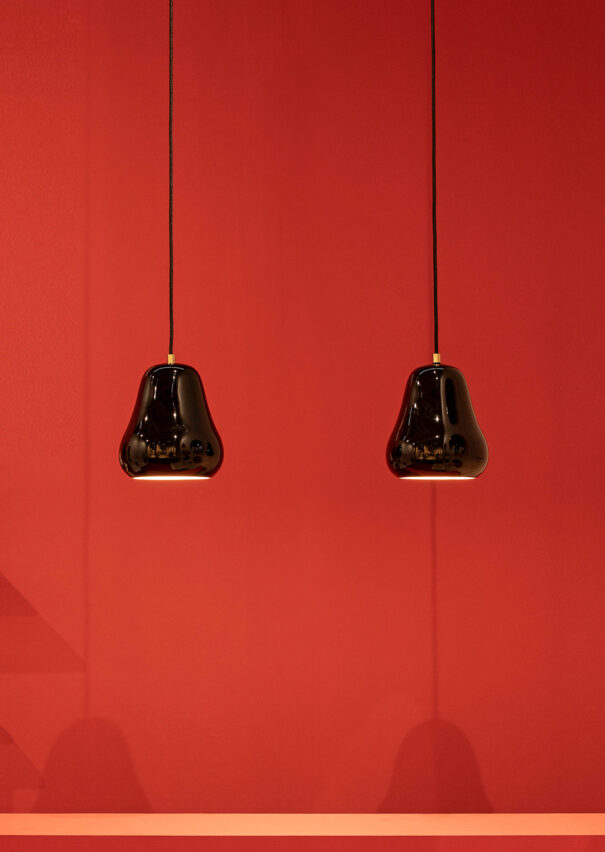
Two black Fabella porcelain lamps against a red wall

Pictured: Fabella Porcelain Lamp in Black
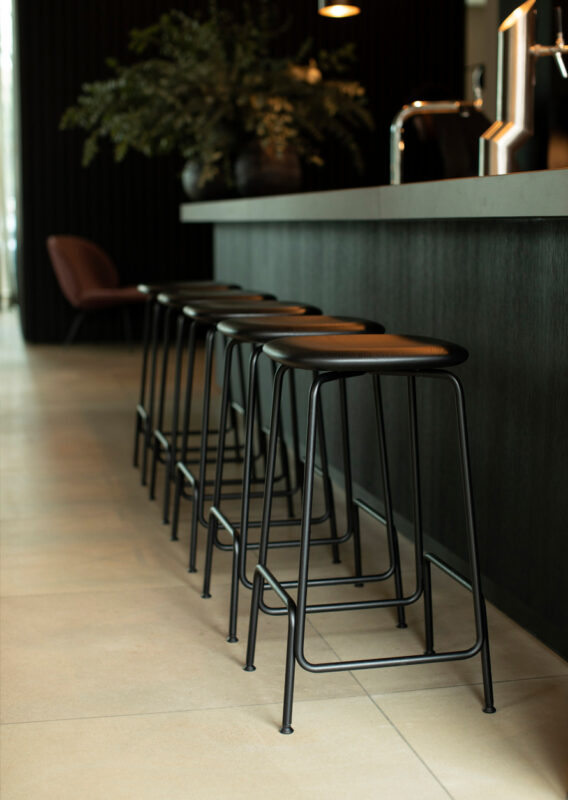
Equo barstools with black steel frames at a dark wood counter

Pictured: Equo Barstool

What was the Bauhaus?

The Bauhaus was an art and design school founded in Weimar in 1919 under the direction of Walter Gropius. It moved to Dessau in 1925 and to Berlin in 1932; it was dissolved in 1933. In just 14 years, the school produced designs for furniture, lighting, textiles, and architecture that are still considered classics today—including Marcel Breuer’s tubular steel furniture.

What characterizes the Bauhaus style?

Typical features include basic geometric shapes such as circles, squares, and triangles; minimalist designs in which function determines form; and industrial materials such as steel and glass, alongside wood. Ornaments and decoration take a back seat. The guiding principle “form follows function” was originally coined by architect Louis Sullivan but is often associated with the Bauhaus.

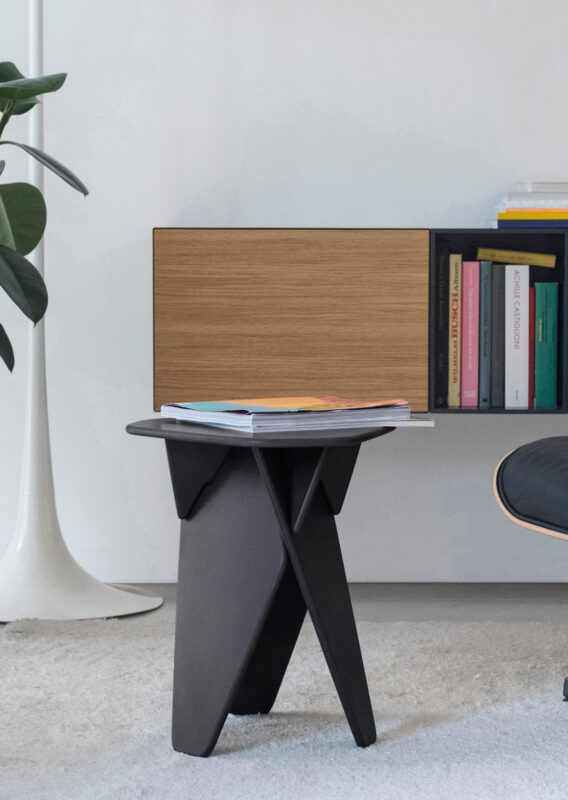
Black Wedge Table in front of a wooden sideboard with books

Pictured: Wedge Table in black

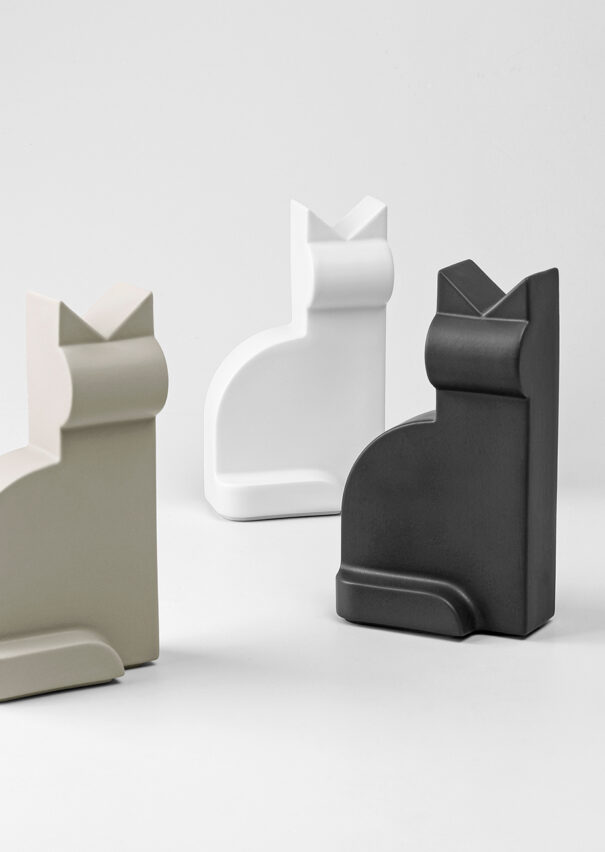
Cat porcelain figures in grey, white and black

Pictured: Cat in gray, white, and black

Which colors go well with the Bauhaus style?

Black, white, and gray form the foundation. Bold primary colors—red, yellow, and blue—are used to create accents, applied sparingly rather than over large areas. A black light fixture against a red wall, as shown in the image above, illustrates the principle: a little color, used with precision.

How does the Bauhaus style translate into everyday living?

Hardly anyone today furnishes their home entirely “in the Bauhaus style.” More common are individual pieces with clean lines and authentic materials, paired with neutral walls. A wall shelf made of powder-coated metal, such as the Skwad in black or white, adds a clean, graphic touch.

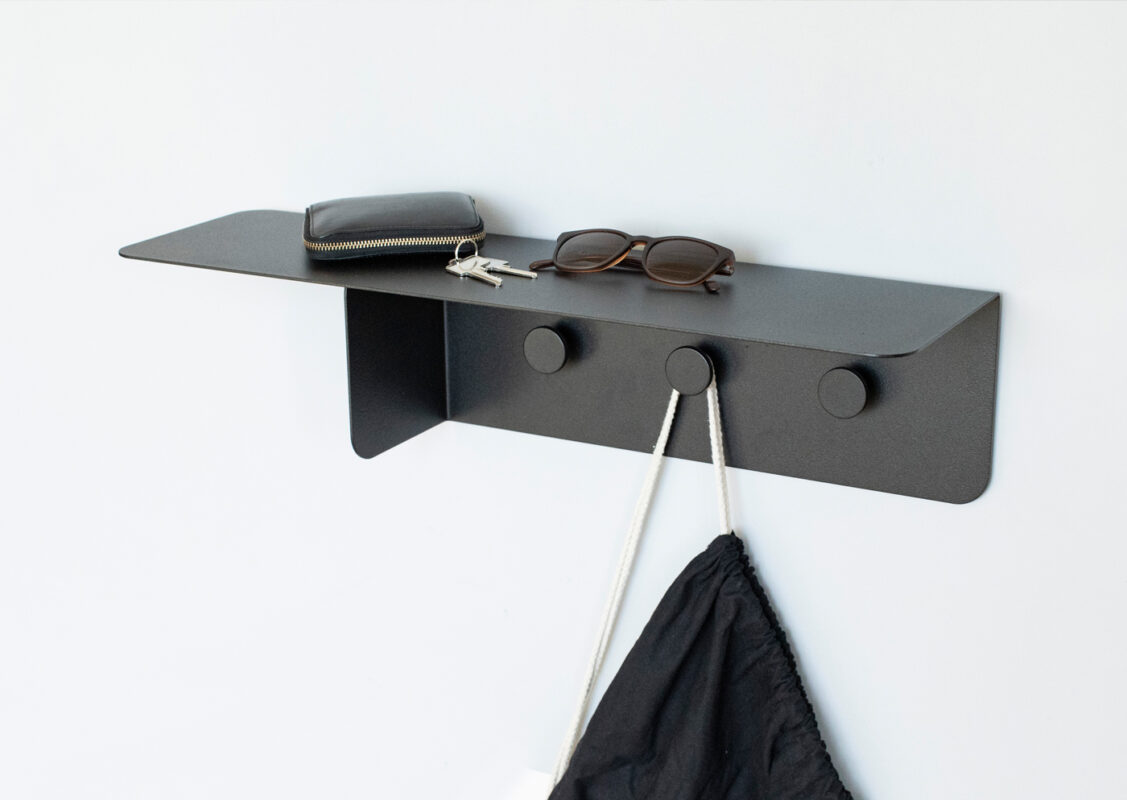
Black Skwad wall shelf with hooks and a jacket

Pictured: Skwad Shelf in black

Bauhaus Meets Contemporary Design: Here’s How to Combine Them

The following pieces are not Bauhaus designs, nor do they intend to be. They demonstrate how contemporary design can complement the basic forms, materials, and colors of the Bauhaus.

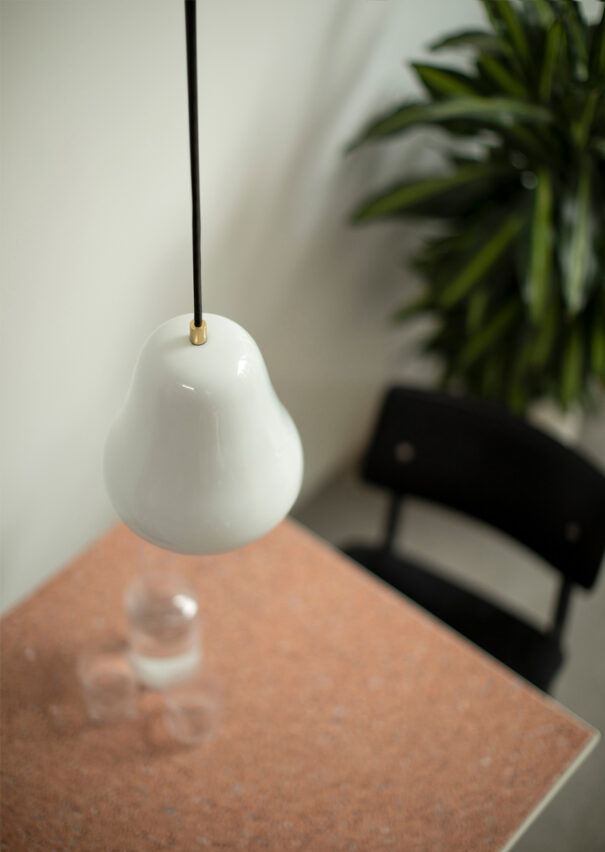
White Fabella porcelain lamp above a table

Pictured: Fabella Porcelain Lamp in White

Porcelain from a Weimar School

The Fabella porcelain lamp was designed by Laura Straßer. She studied product design at the Bauhaus University in Weimar—the city where the Bauhaus was founded in 1919. Its clean, soft lines, available in black or white, complement interiors with clean, basic shapes.

View Fabella

Mirror, Steel, and Oak

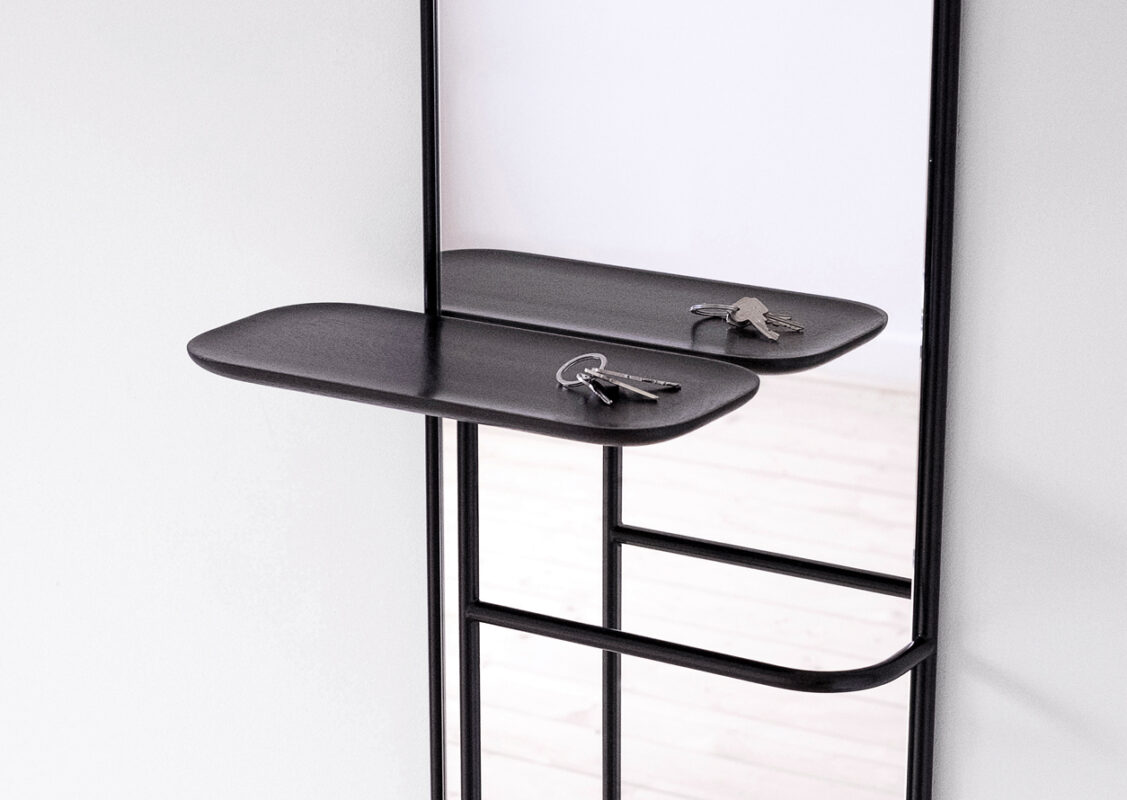
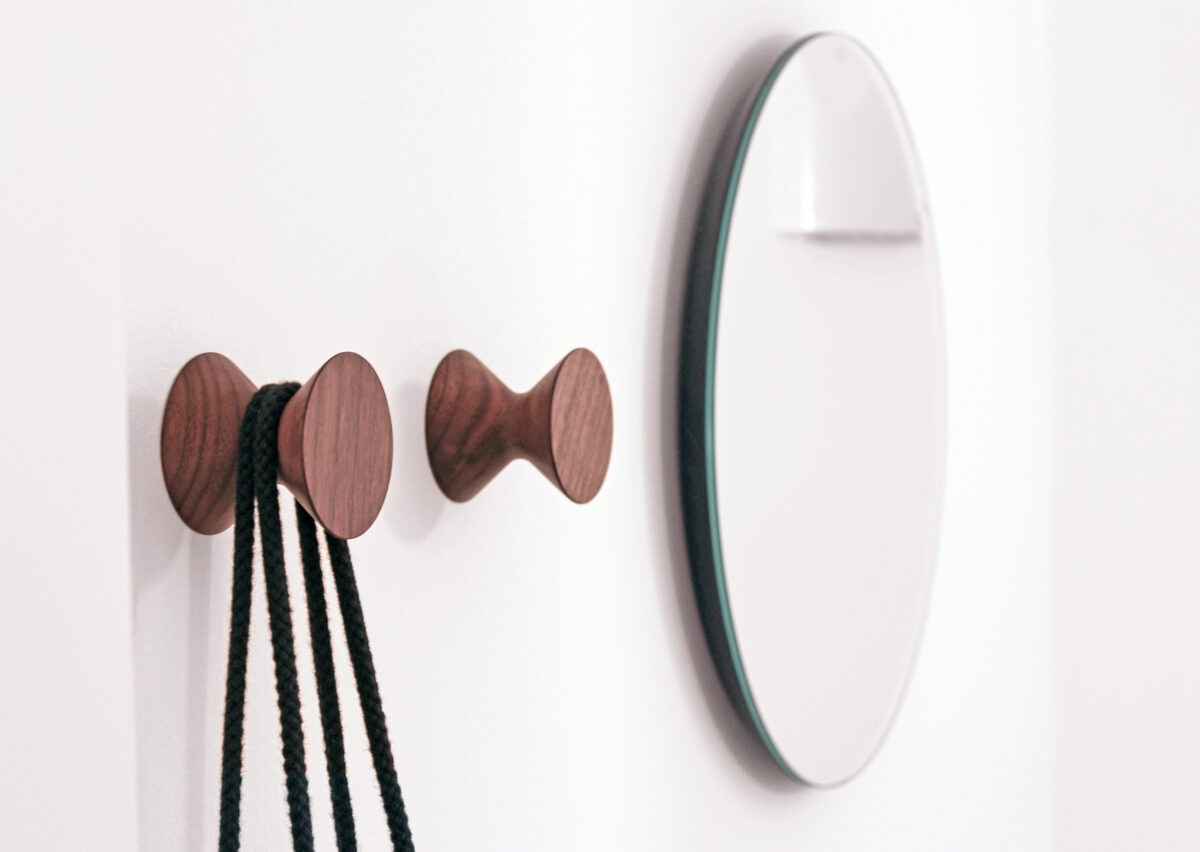
The Concierge Mirror by Andreas Kowalewski combines a mirror, a powder-coated steel frame, and a solid oak shelf—a contemporary piece in which function determines form.

View the Concierge Mirror
Concierge Mirror, detail of the tray

Pictured: Concierge Mirror

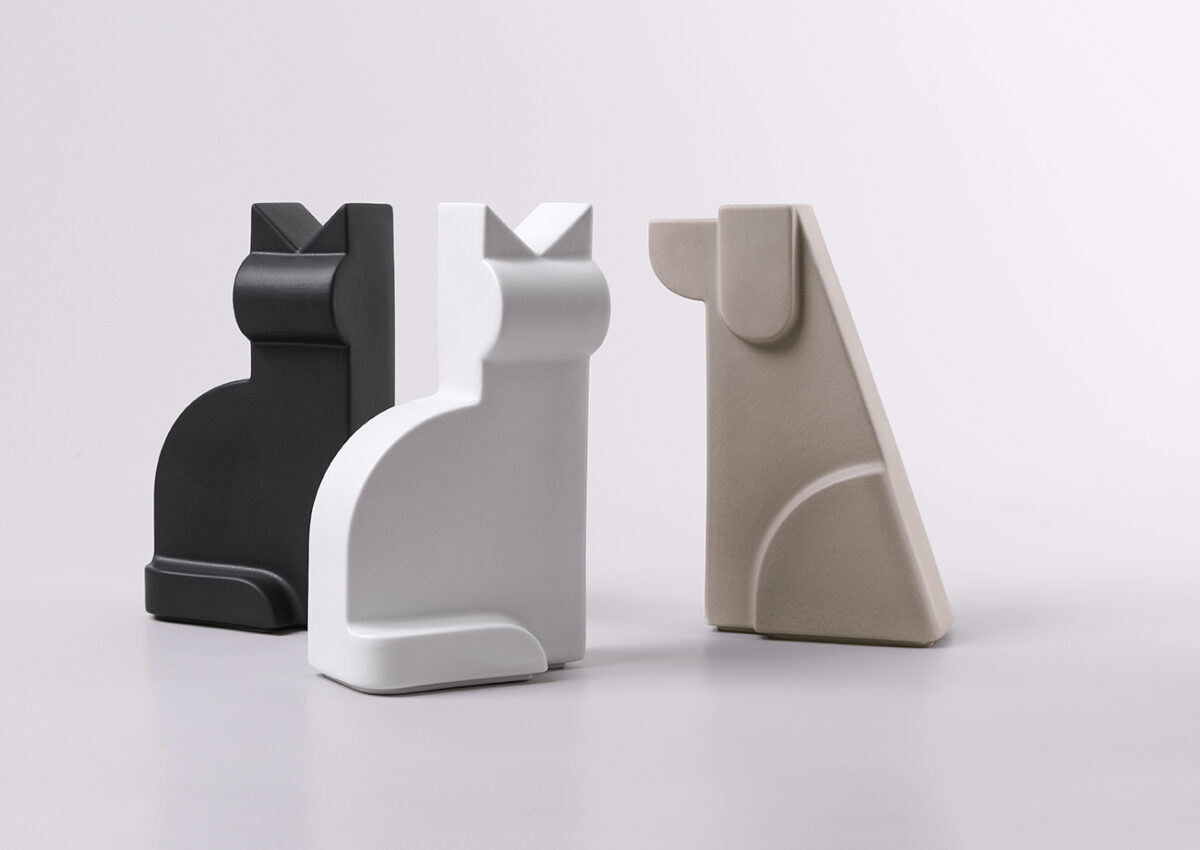
Cat & Dog porcelain figures in black, white and beige

Pictured: Cat in black and white, dog in beige

Geometry in Black and White

Cat & Dog by Andreas Kowalewski: A cat and a dog, reduced to just a few geometric shapes. Available in jet black or white, they complement an interior featuring black-and-white contrasts.

View Cat & Dog

A Shelf as a Line

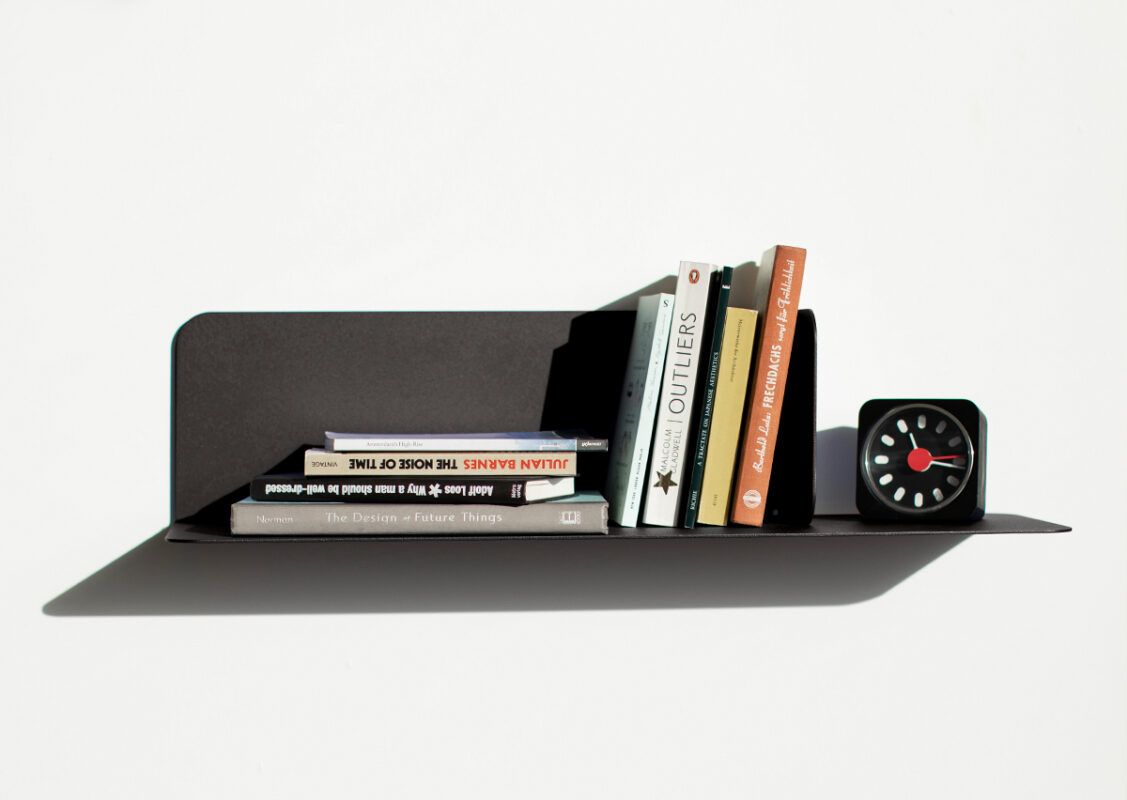
Skwad by Andreas Kowalewski is a wall shelf made of powder-coated metal—available in black or white, it’s a simple addition to clean-lined walls.

View Skwad
Black Skwad wall shelf with books

Pictured: Skwad Shelf in black

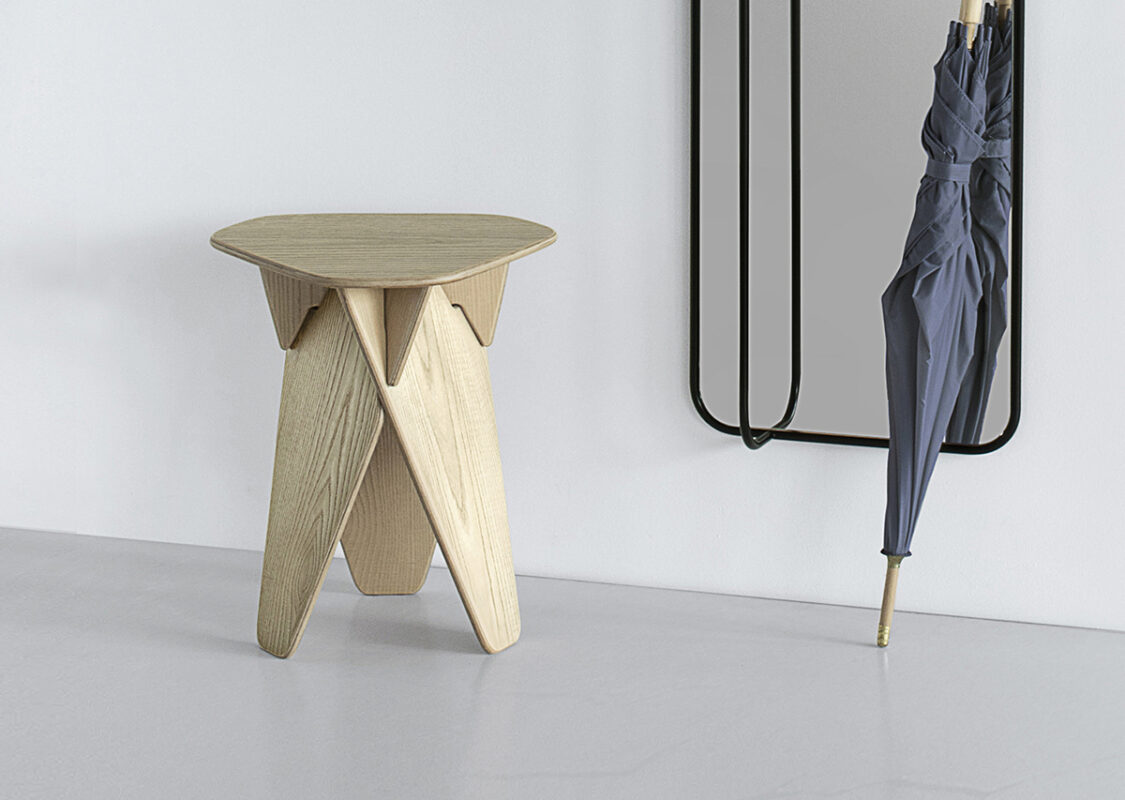
Wedge Table in ash

Pictured: Wedge Table in natural ash

How can you keep the Bauhaus style from looking cold?

Steel, glass, and black-and-white can come across as austere. To balance this out:

  • Wood: for example, the oak shelf on the Concierge Mirror or a wedge table made of ash.
  • Textiles: Rugs, curtains, and pillows soften the room.
  • A pop of color: it’s better to use one accent color strategically than all three at once.

Shop the look

Frequently Asked Questions

Basic geometric shapes, functionality, steel and glass, as well as black, white, and primary colors used as accents.
Black, white, and gray as the base colors; red, yellow, and blue as accent colors.
From 1919 to 1933, in Weimar, Dessau, and Berlin.
Yes, wood makes the clean lines feel more inviting.

Other Interior Design Styles: Minimalist Living · Mid-Century · An Overview of Interior Design Styles

JOIN OUR WORLD OF DESIGN

10% OFF

Receive design news, early access, and your welcome gift

This field is required.

Privacy guaranteed. Read our privacy policy