Journal · Style

An Overview of Interior Design Styles: From Scandinavian to Colorful

Last updated: November 9, 2026 · Reading time: about 6 minutes

Whether it’s light woods, clean lines, or bold colors: interior design styles help you put your vision into words and create harmonious spaces. Here you’ll find brief explanations of the most important styles—with links to in-depth articles and questions to help you make your choice.

First things first: caussa is not a style label. Our designers create contemporary pieces that don’t adhere to any specific style. For each style, we show which of our pieces can be combined with it.

Solid Stool One in ash in front of a grey sofa on a light rug

Pictured: Solid Stool One in natural ash
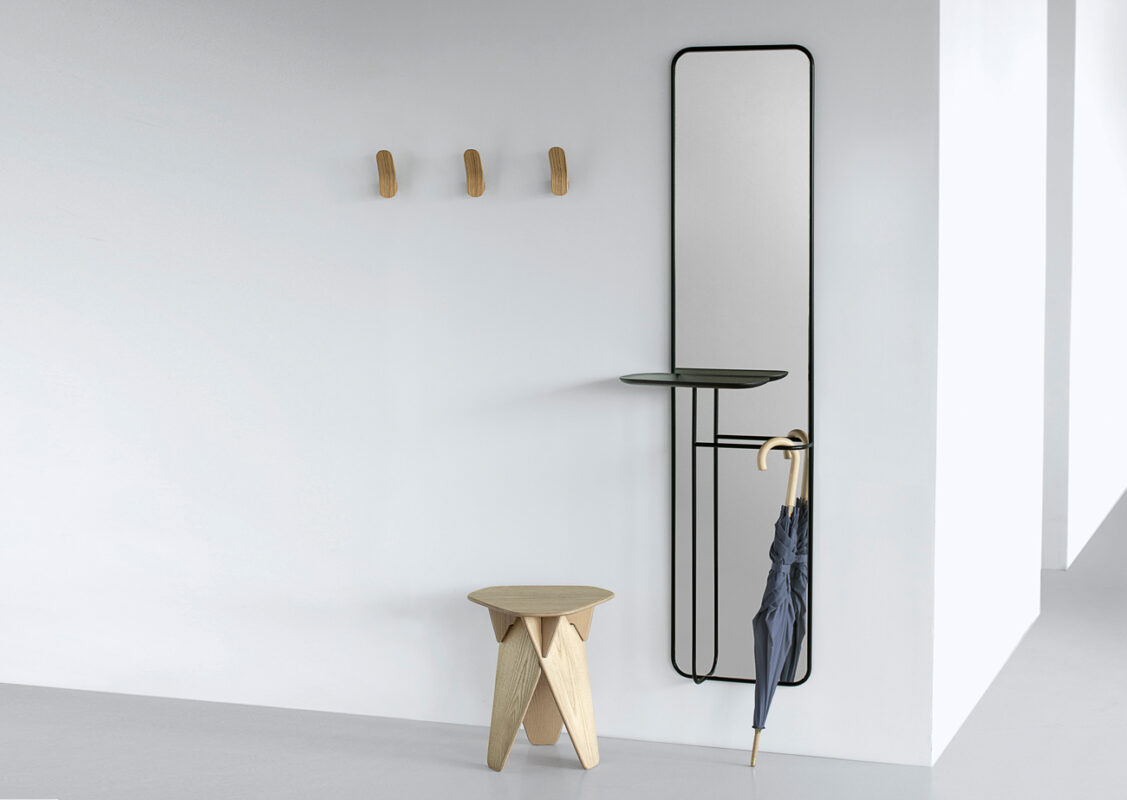
Concierge Mirror with a stool in a bright room

Pictured: Concierge Mirror

What is an interior design style?

An interior design style describes recurring characteristics—materials, colors, shapes, and the amount of items in a room. Hardly any home adheres to a single style one hundred percent. These terms serve more as a guide than as a set of rules.

Scandinavian

Light-colored woods such as ash, oak, and maple; plenty of white; muted accent colors; and a cozy, serene atmosphere. Pairs well with: Spin in oak or ash, Olifant in maple, Solid Stool, and Hopper in Sand Green.

Read the article: Scandinavian-Style Decor
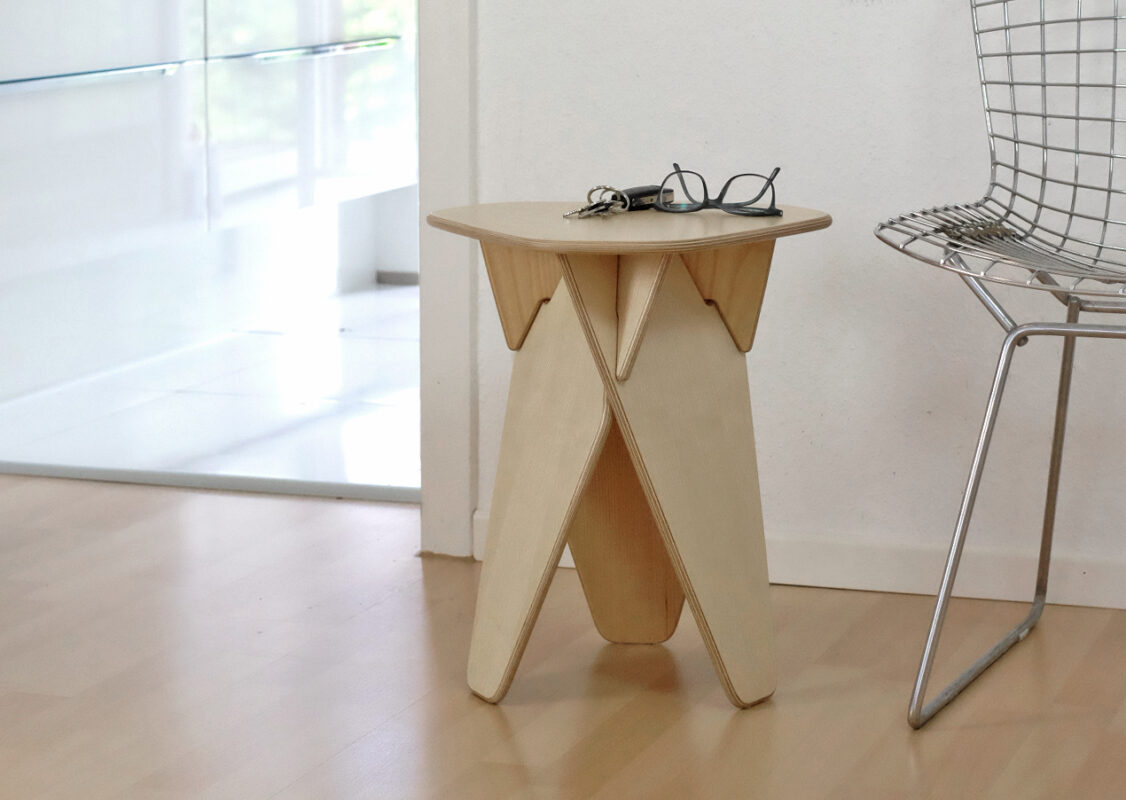
Wedge Table in ash with a plant on a light wooden floor

Pictured: Wedge Table in natural ash

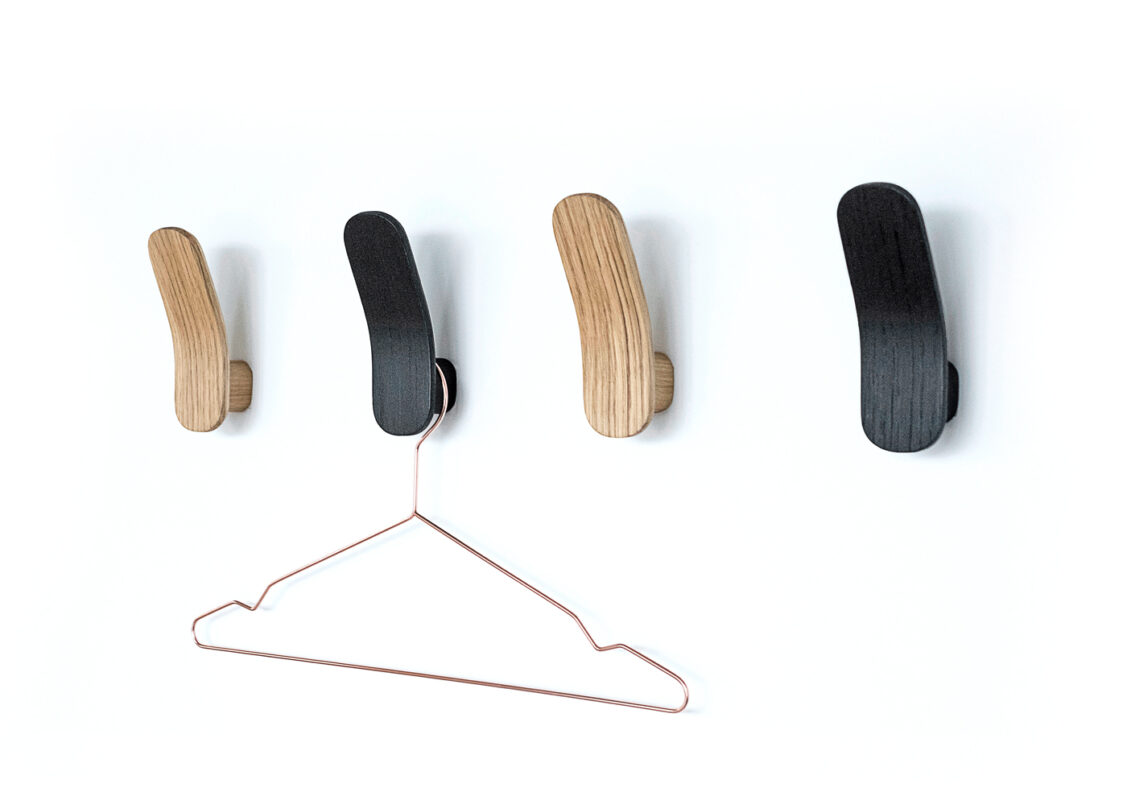
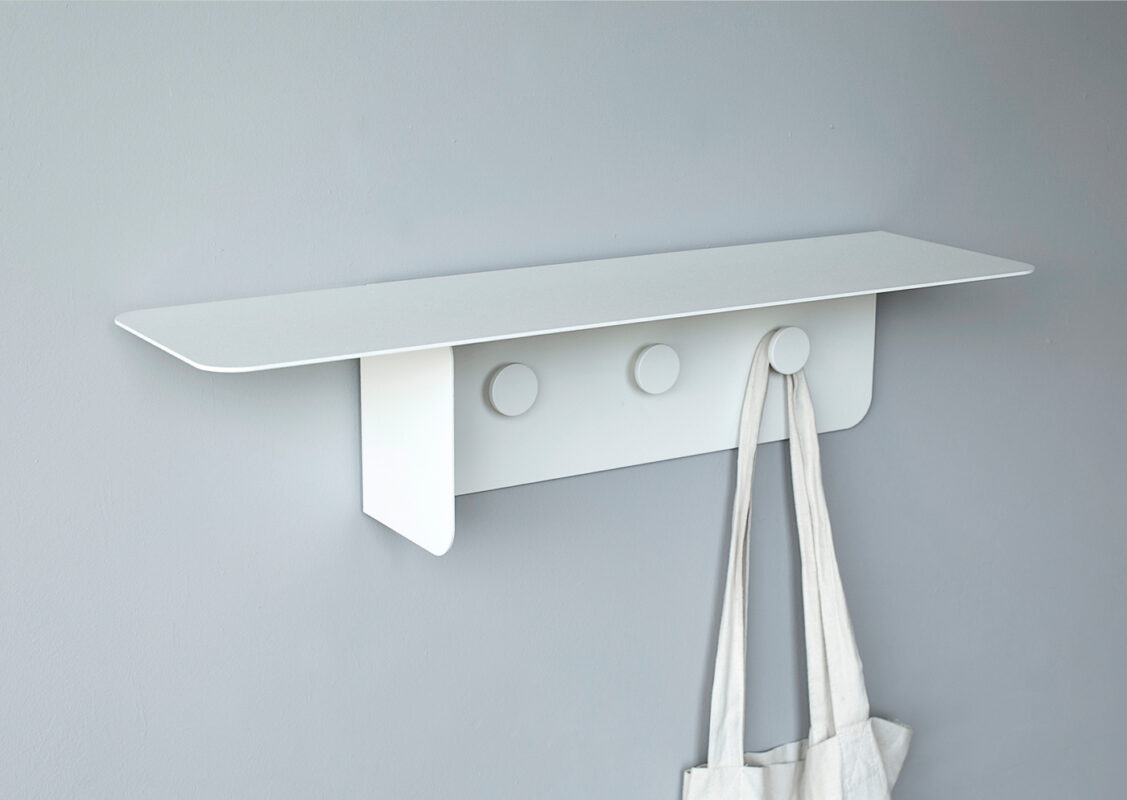
Eshaku Hooks in natural and black oak on a white wall

Pictured: Eshaku Hook in natural oak and black

Japandi

A blend of Japanese and Scandinavian interior design ideas: minimal furnishings, natural materials, light woods paired with black and earthy tones. Pairs well with: Eshaku, Cat & Dog in Nordic Beige or Jet Black, and Hopper in Dark Gray.

Go to the article: Japandi

Wabi-Sabi

A Japanese concept of beauty that values imperfection, simplicity, and transience: visible traces of craftsmanship, matte finishes, and natural materials. Can be combined with: Spin (each piece has its own grain), Wave, Arc Tray.

Go to the article: Wabi-Sabi
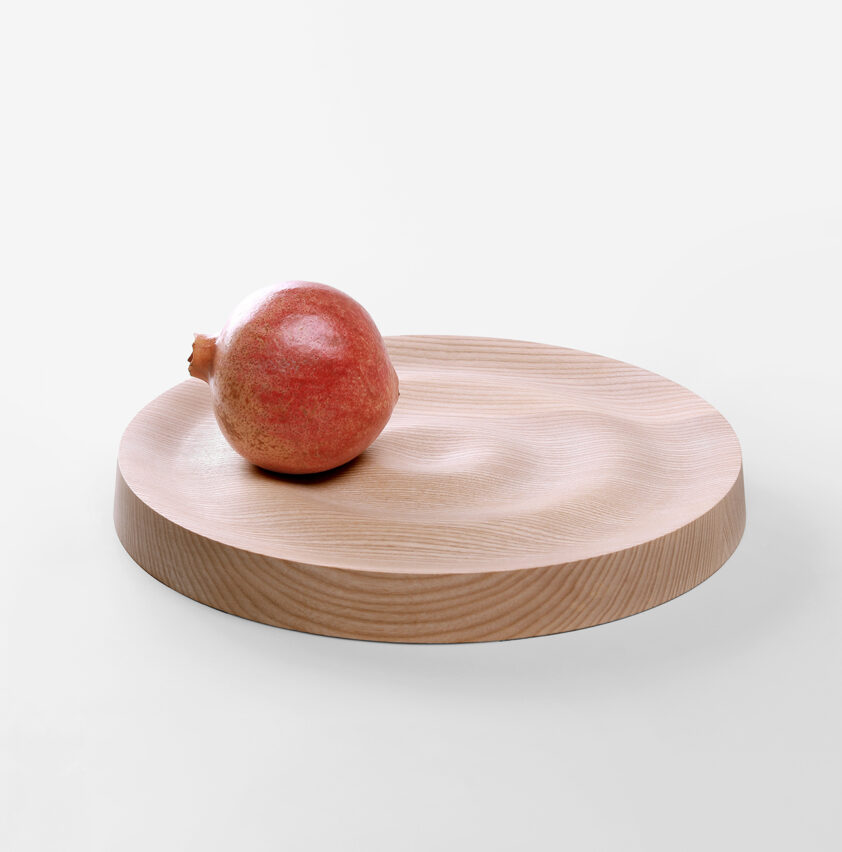
Wave bowl in ash with a pomegranate

Pictured: Wave in natural ash

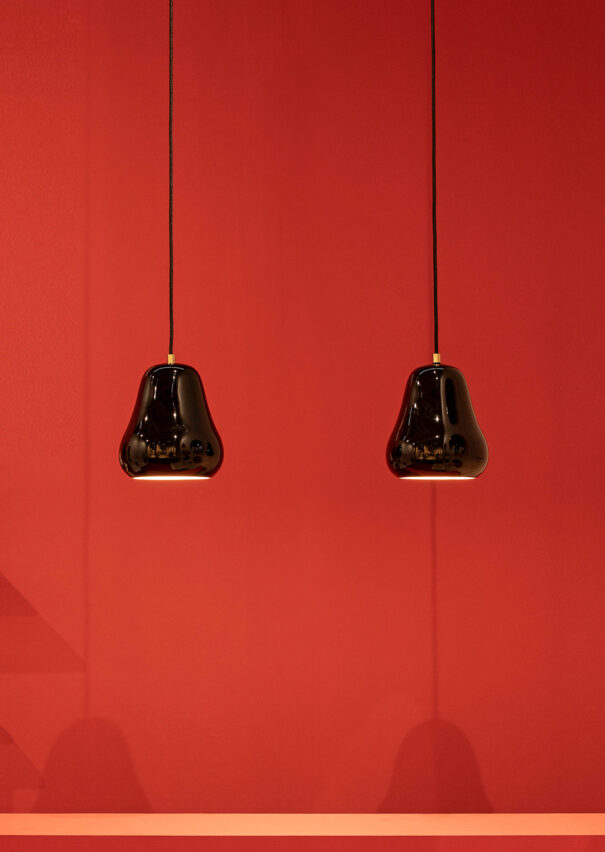
Two black Fabella porcelain lamps against a red wall

Pictured: Fabella Porcelain Lamp in Black

Bauhaus

Named after the design school founded by Walter Gropius in Weimar in 1919. In interior design today, the term is most often associated with basic geometric shapes, functionality, steel and glass, as well as black, white, and primary colors. Can be combined with: Fabella, Concierge Mirror, Skwad in black or white.

Go to the article: Bauhaus Style

Minimalist

Fewer items, but carefully chosen ones: open spaces, soothing colors, and storage that makes keeping things organized a breeze. Can be paired with: Concierge Mirror, Spin, and Hopper in Matt White.

Go to the article: Minimalist Living
White Skwad wall shelf with cups

Pictured: Skwad Shelf in white

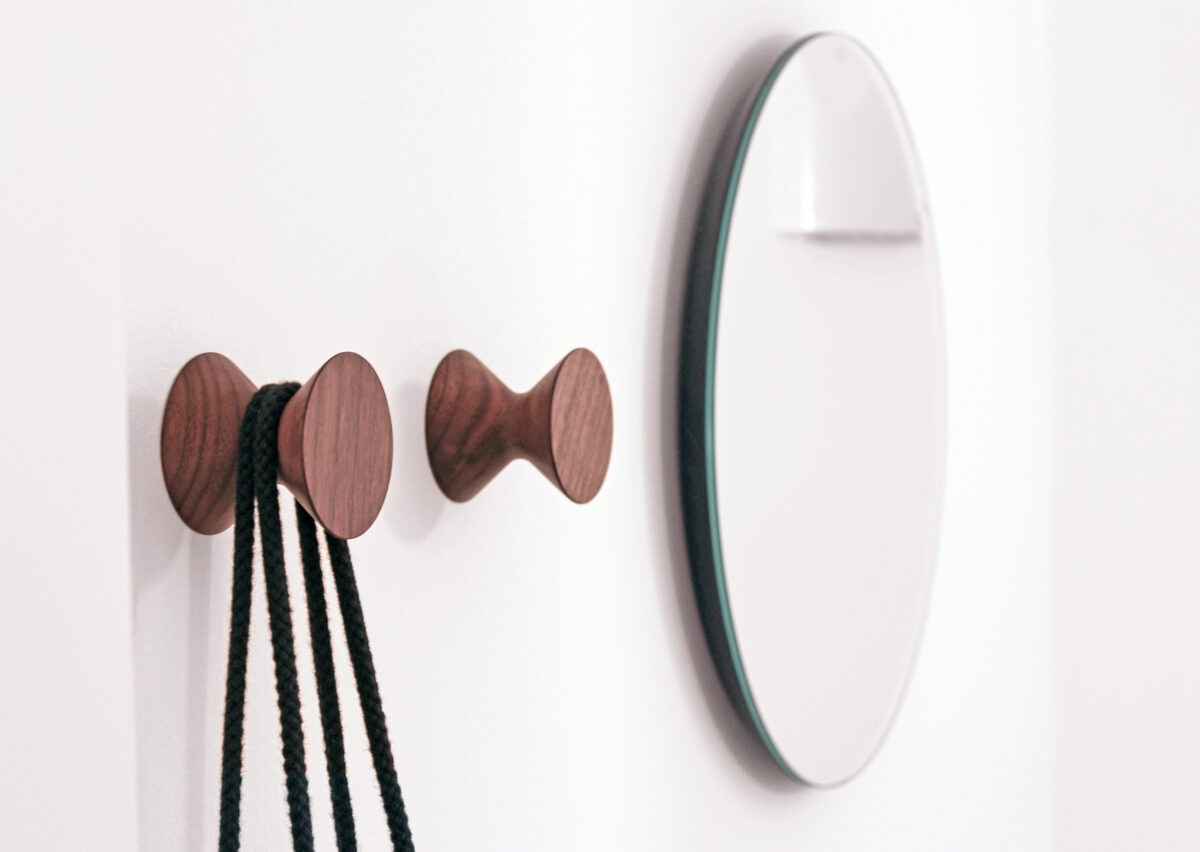
Walnut spin wall hooks next to a round mirror, holding a black bag

Pictured: Spin in walnut

Mid-Century

Postwar design, roughly from the mid-1940s to the late 1960s: dark woods such as walnut and teak, sleek shapes, brass, and pops of color. Pairs well with: Spin and Olifant in walnut, Cres Mirror in bronze, Cat & Dog in Night Blue.

Go to the article: Mid-Century

Colorful (Dopamine Decor)

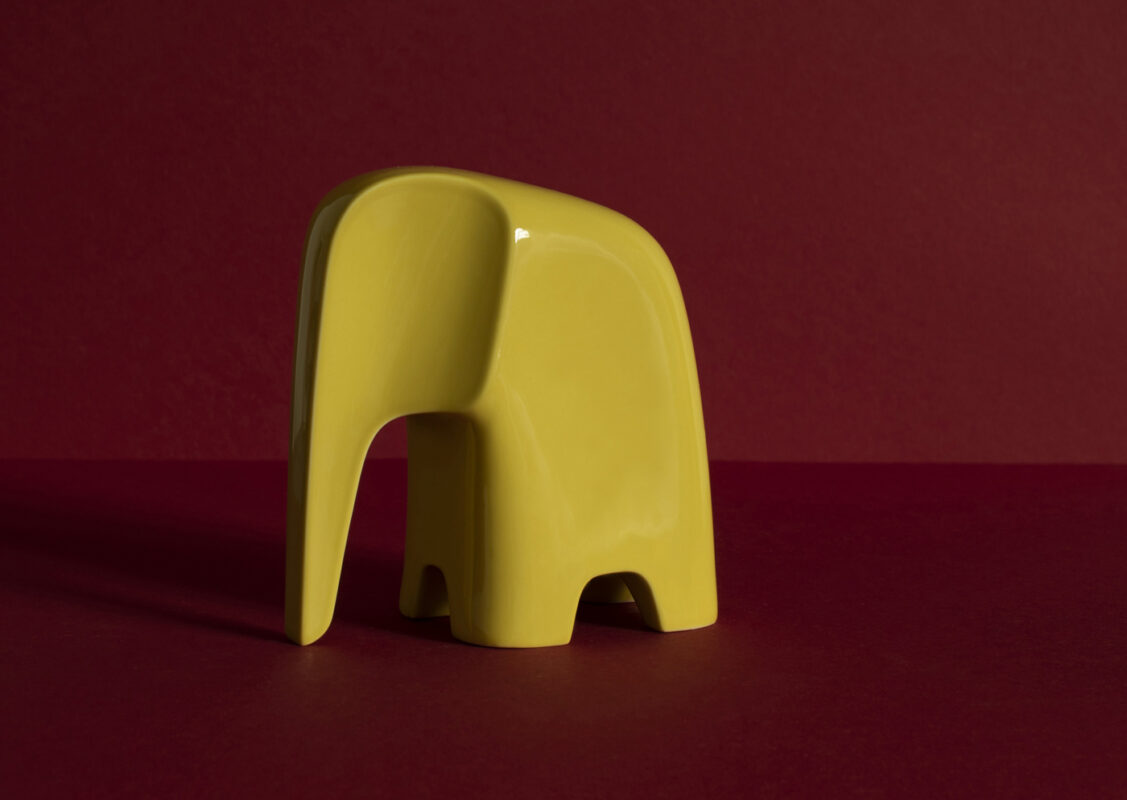
Vibrant, cheerful colors instead of beige and gray—often referred to on social media as the “Dopamine Decor” trend. Pair with: Cat & Dog and Olifant in Flash Orange, Sun Yellow, or Forest Green; Arc Tray in Rosé; and Skwad in Ultramarine.

Go to the article: Decorating with Color
Sun yellow porcelain Olifant against a dark red wall

Pictured: Olifant in Sun Yellow

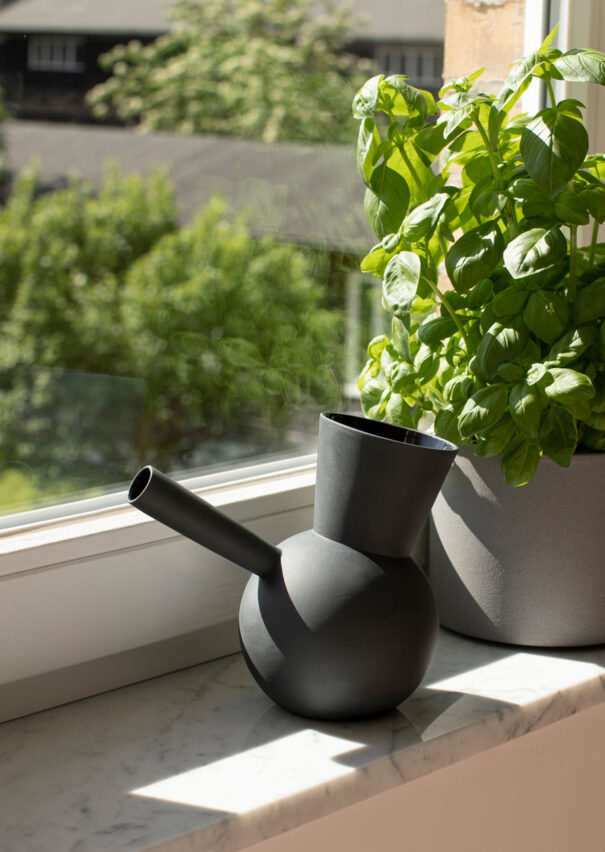
Hopper watering can in dark grey next to plants by a window

Pictured: Hopper Watering Can in Dark Gray

Which interior design style is right for me?

Instead of looking for a label, asking a few questions can help:

  • Lighting: Is the room bright or rather dark? Bright rooms usually work well with dark woods, while darker rooms often feel more inviting with light-colored materials.
  • Materials: Do you feel more comfortable with light or dark wood, with metal and glass, or with ceramics and textiles?
  • Colors: Muted tones or bold accents?
  • Quantity: Do you prefer open spaces or having lots of your favorite pieces around you?
  • Existing furniture: Which pieces are staying? They often set the tone.

Can you mix and match interior design styles?

Yes—Japandi is a combination in itself. It comes together harmoniously when materials or colors are repeated throughout the room, such as a wood tone or an accent color. Contemporary one-of-a-kind pieces can tie the look together rather than simply copying a style.

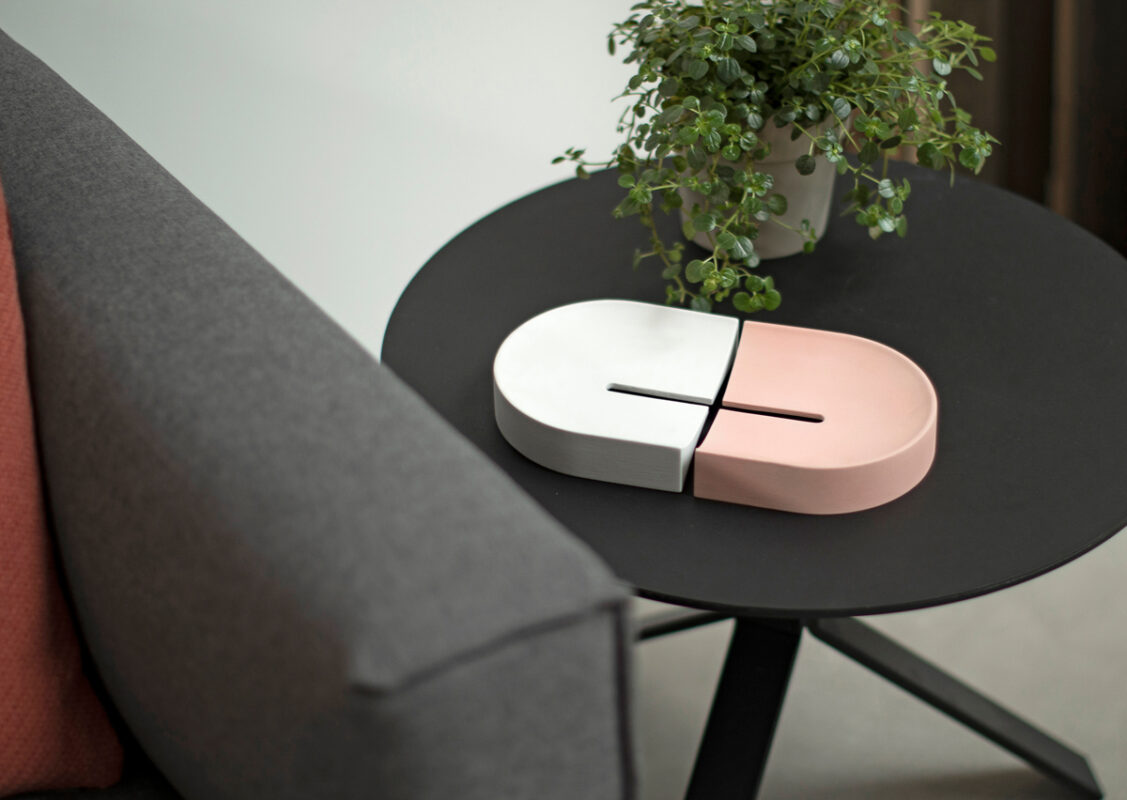
Arc Tray in white and rose on a black side table

Pictured: Arc Tray in white and rosé

Shop the look

Frequently Asked Questions

Some well-known styles include Scandinavian, Japandi, Wabi-Sabi, Bauhaus, Minimalism, Mid-Century, and colorful approaches such as Dopamine Decor.
About light, favorite materials, colors, and the question of how many things you want to have around you.
Japandi combines Scandinavian and Japanese design concepts and typically features darker, earthier tones and even fewer objects.
No. Most apartments mix styles; what’s important is a common thread in materials and colors.

Other interior design styles: Scandinavian · Japandi · Wabi-Sabi · Bauhaus · Minimalist · Mid-Century · Colorful

JOIN OUR WORLD OF DESIGN

10% OFF

Receive design news, early access, and your welcome gift

This field is required.

Privacy guaranteed. Read our privacy policy