Journal · Style

Scandinavian-Style Decor: Light Woods, Subdued Colors, and Plenty of Light

Last updated: November 9, 2026 · Reading time: about 6 minutes

Light woods, clean lines, plenty of white, and a calm, cozy atmosphere: Scandinavian interior design is one of the most popular home decor styles of all. We’ll explain what defines this style, which materials and colors are typical, and how a Scandinavian-style room can feel warm rather than sterile.

First off: caussa is not a design label, and none of our products are Scandinavian designs. Our designers create contemporary pieces. Here, we show how they can be combined with Scandinavian-inspired decor.
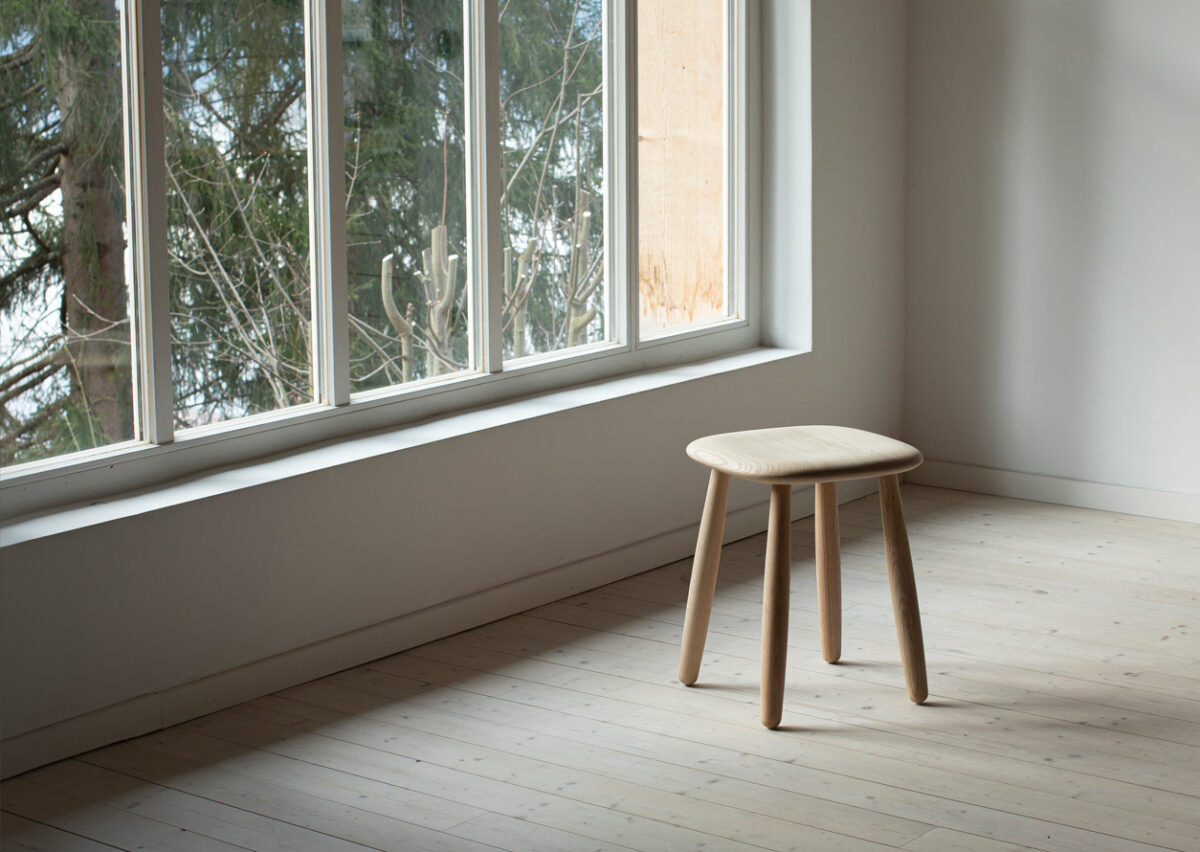
Solid Stool One in ash in front of a bright window

Pictured: Solid Stool One in natural ash
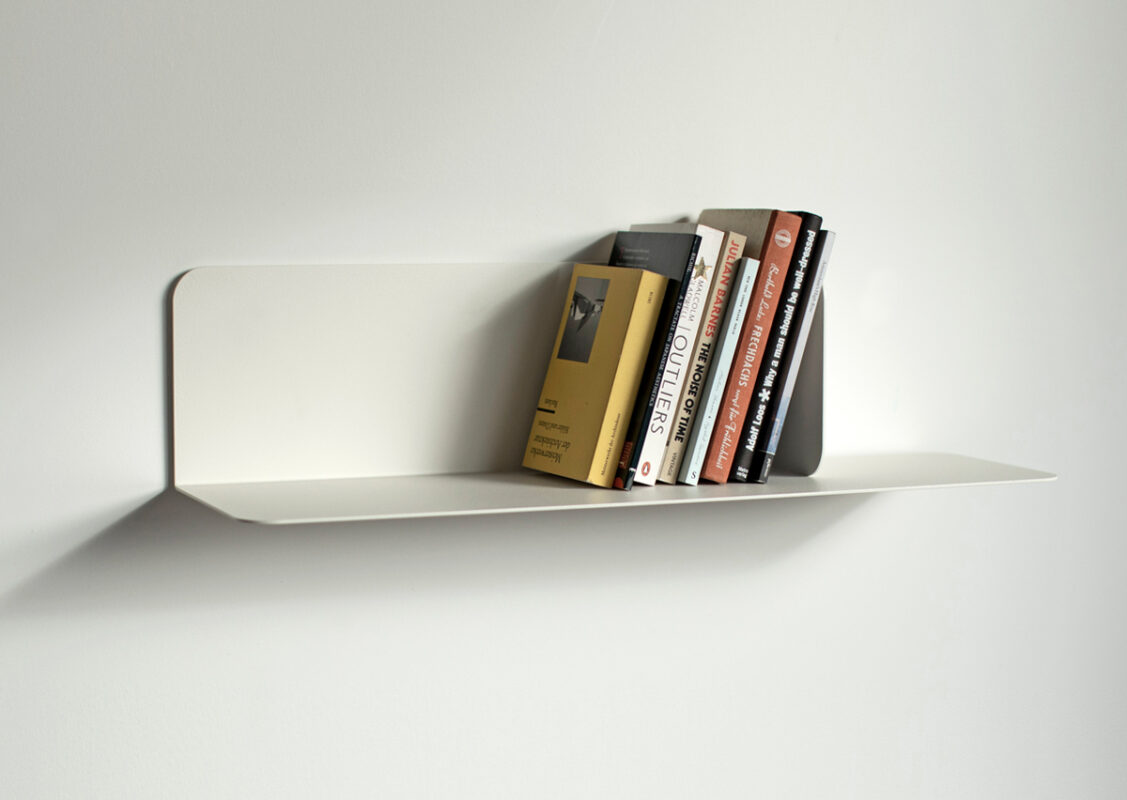
White Skwad wall shelf with books

Pictured: Skwad Shelf in white

What is the Scandinavian interior design style?

The term “Scandinavian interior design style” usually refers to the interior design traditions of Denmark, Sweden, Norway, and Finland. It is characterized by simple, functional furniture, natural materials, and bright rooms. Scandinavian design gained international recognition in part through the exhibition “Design in Scandinavia”: Beginning in 1954, it showcased more than 700 home furnishings from the four countries and subsequently toured museums in the U.S. and Canada for about three years.

What types of wood and materials are typical?

The focus is on light-colored woods such as birch, ash, oak, or maple, often oiled or finished with a matte varnish so that the grain remains visible. These are complemented by textiles made of wool and linen, as well as ceramics and porcelain with matte finishes. Furniture tends to be light rather than bulky—with slender legs, open shelves, and minimal decoration.

Wedge Table in ash with a plant on a light wooden floor

Pictured: Wedge Table in natural ash

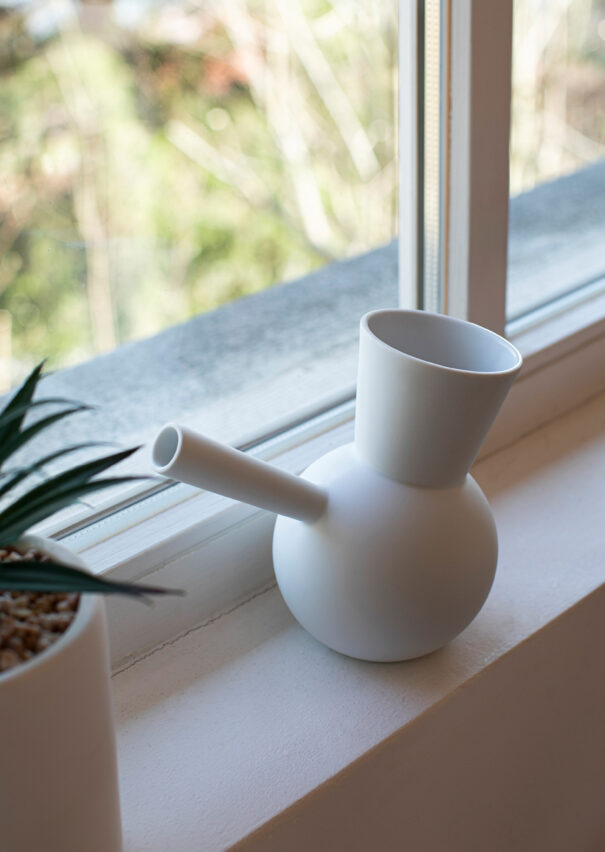
White Hopper watering can on a windowsill

Pictured: Hopper Watering Can in Matte White

What colors go well with the Scandinavian style?

The foundation consists of white, off-whites, and light shades of gray. They make rooms appear brighter—a phenomenon often attributed to the limited daylight during the Nordic winter. Accents are created with muted tones such as gray-blue, sage green, or delicate pink, used sparingly rather than over large areas. If you like, you can add a single bold pop of color, such as an “Olifant” in Light Blue.

What does “hygge” mean?

Hygge is a Danish word that the Duden dictionary defines as “coziness and comfort as a way of life.” When it comes to interior design, this means: warm lighting instead of harsh overhead lights, soft materials, favorite pieces instead of mass-produced items, and things you enjoy touching. Hygge isn’t a distinct interior design style in itself, but rather the philosophy behind many Scandinavian-style rooms.

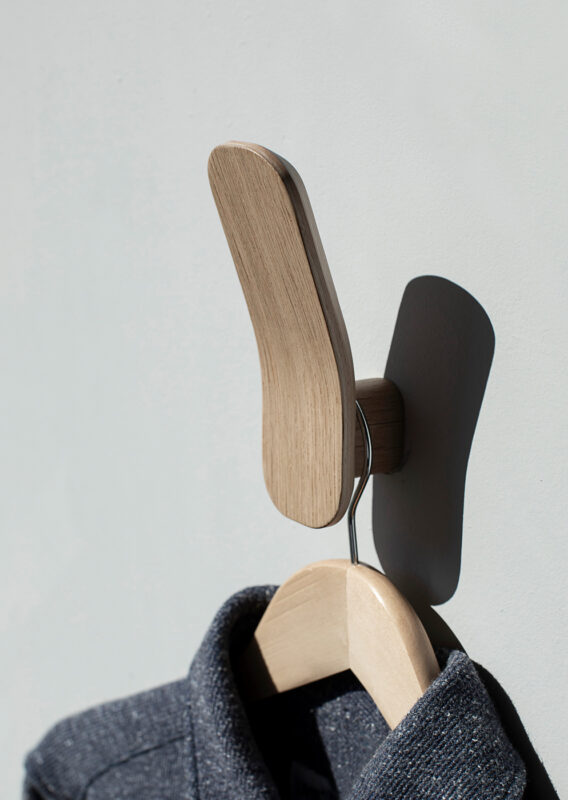
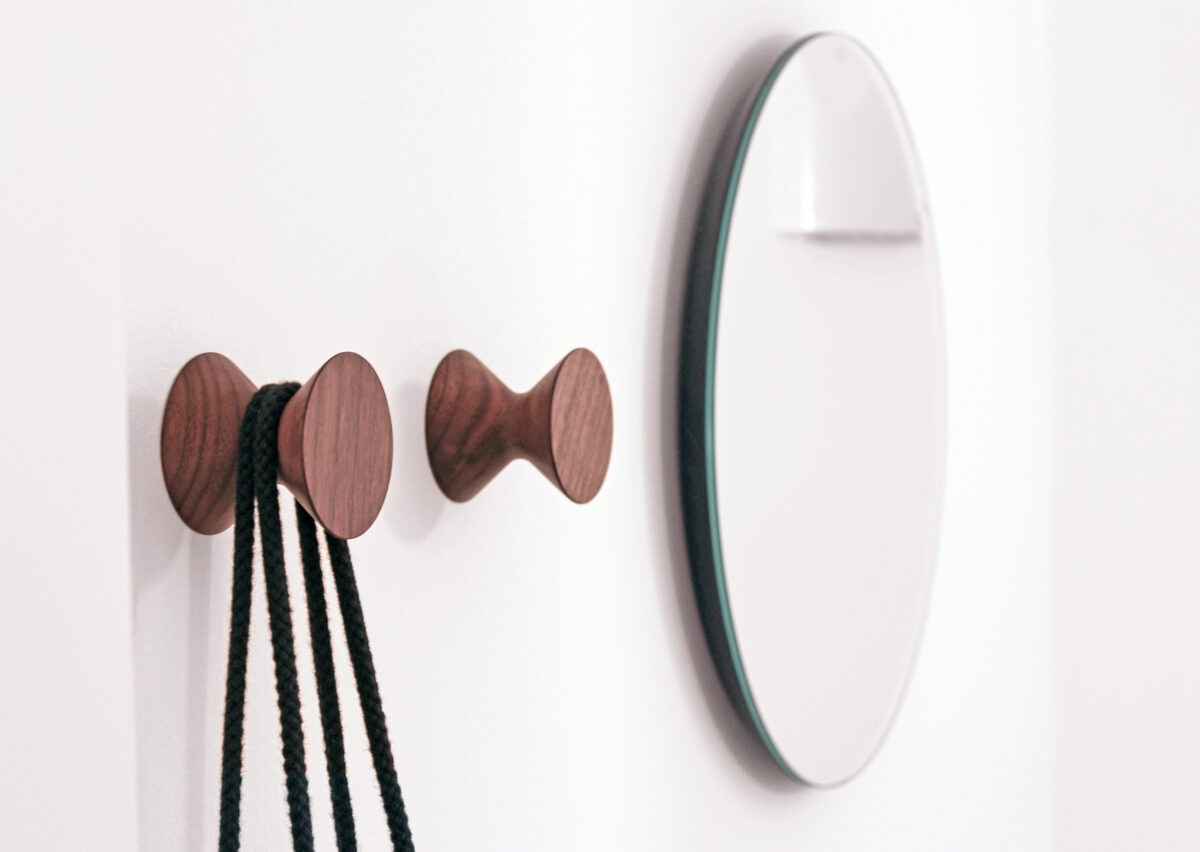
Eshaku Hook in oak with a dark jacket

Pictured: Eshaku Hook in natural oak

Scandinavian Meets Contemporary Design: Here’s How to Combine Them

The following pieces are not Scandinavian design, nor do they intend to be. They demonstrate how contemporary designs can complement the light woods, muted colors, and clean lines of Scandinavian interiors.

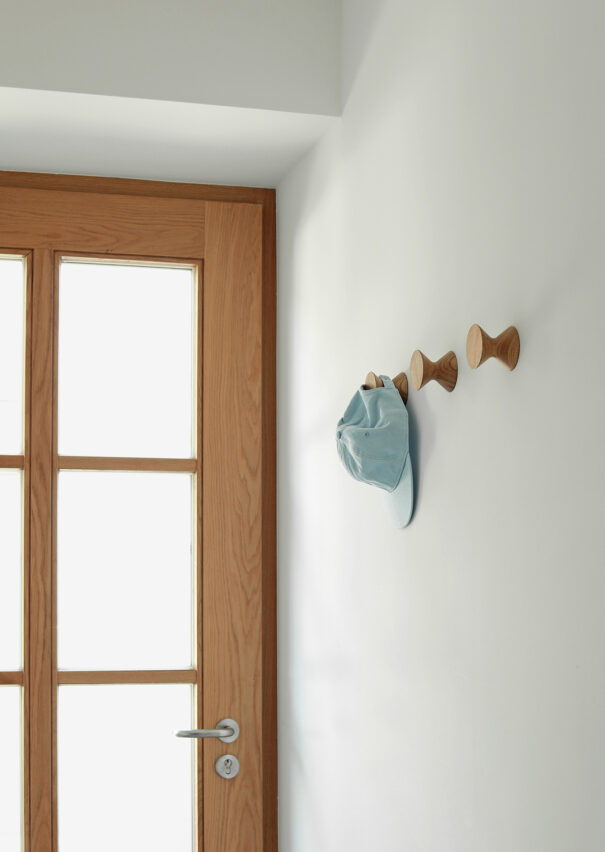
Spin wall hooks beside a wooden door frame

Pictured: Spin Coat Hook

Light-Colored Wood on the Wall

The Spin coat hook by Andreas Kowalewski is turned from a single piece of solid wood at a woodturning workshop in the Münsterland region. In oak, it has a warm, lively grain; in ash, it is particularly light—thus complementing the light woods in the room. Place it individually next to the door or arrange them in a row to create a coat rack.

View Spin Oak

A wooden animal with a serene form

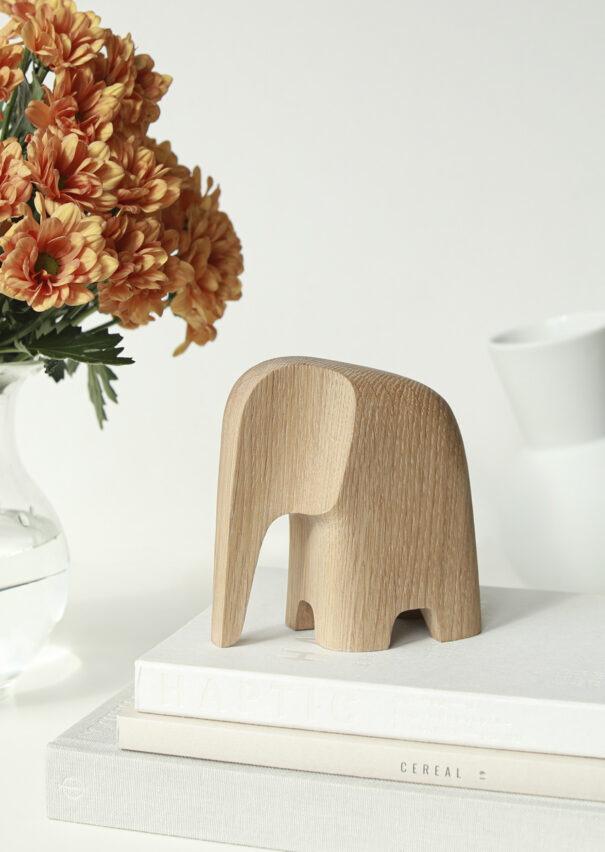
Wooden animals have a long tradition in Scandinavian design—Kay Bojesen’s famous wooden monkey, for example, was designed in 1951. The Olifant by Andreas Kowalewski is a unique, contemporary design. Crafted from light maple or oak, it complements a sideboard or shelf in a bright room.

View Olifant
Olifant in oak next to flowers

Pictured: Elephant made of oak

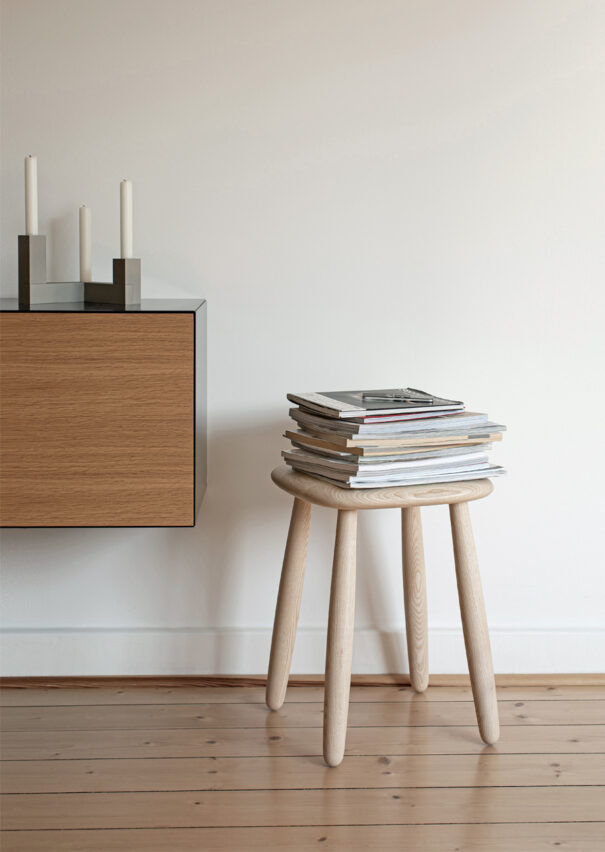
Solid Stool One in ash with magazines in front of a sideboard

Pictured: Solid Stool One in natural ash
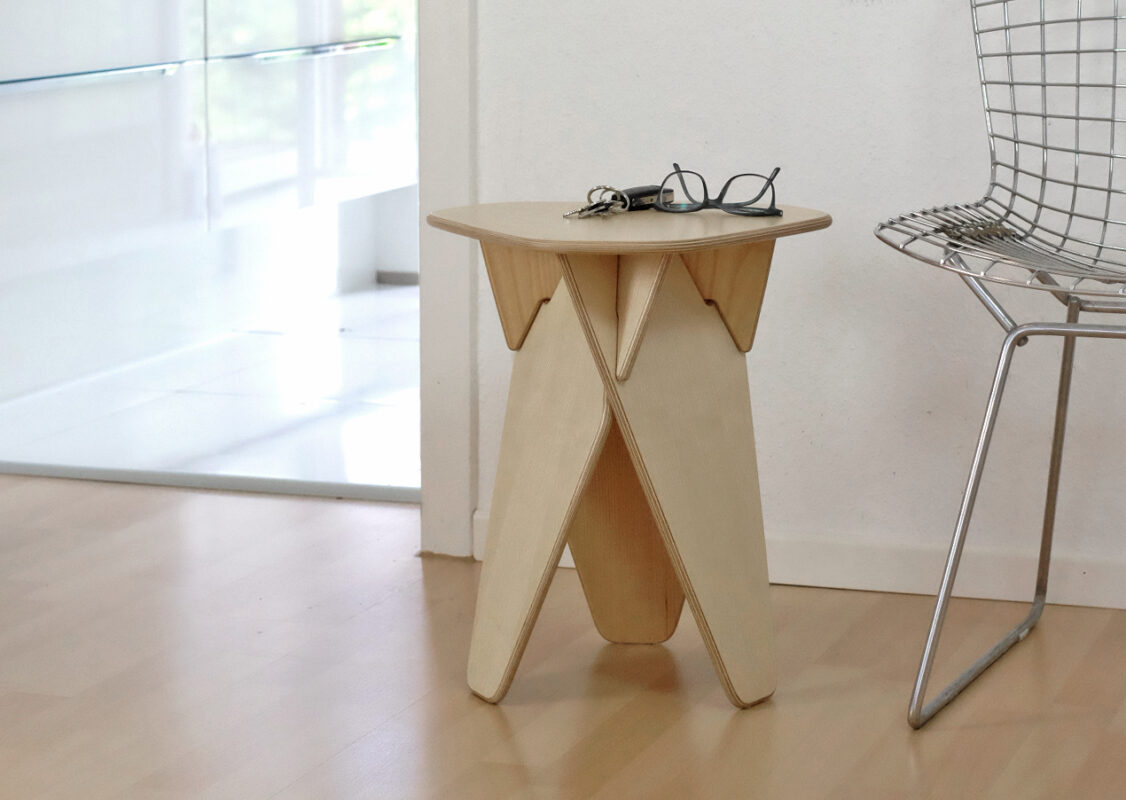
A stool that doubles as a shelf

The Solid Stool by Andreas Kowalewski is made of ash—it can serve as a seat, a side table, or a shelf. In its natural finish, it complements light-colored floors and walls.

View the Solid Stool

How can a Scandinavian-style interior avoid looking sterile?

A lot of white and light-colored wood can quickly make a room feel cold. These contrasts can help:

  • Textures: Wool, linen, ceramic, and matte porcelain surfaces—such as the Hopper watering can in Sand Green or Matt White.
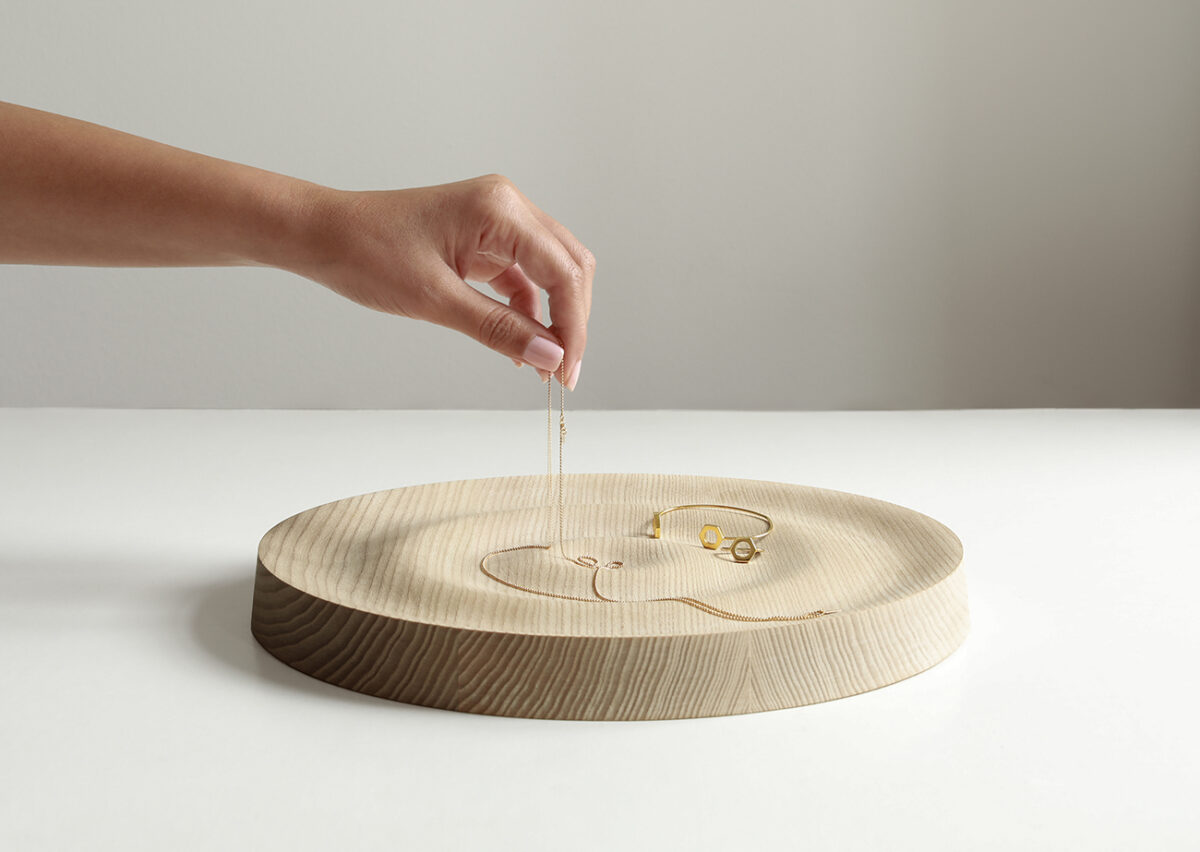
  • Mixing woods: Oak and ash side by side look more vibrant than a single tone—for example, the Wave bowl in ash by Geckeler Michels next to a Spin in oak.
  • A pop of color: an “Olifant” in Light Blue or a “Cat” in Moon Grey instead of lots of colorful small items.
  • Plants and warm light: Greenery and indirect lighting make the room feel cozy.
Hand resting on the Wave bowl in ash

Pictured: Wave in natural ash

Shop the look

Frequently Asked Questions

Primarily light-colored woods such as birch, ash, oak, and maple, usually oiled or finished with a matte varnish so that the grain remains visible.
White, off-white, and light shades of gray as a base, complemented by muted accents such as gray-blue, sage green, or rosé.
Japandi combines Scandinavian and Japanese interior design ideas. It typically features slightly darker, earthier tones and even fewer objects.
With textures, warm lighting, plants, and a few favorite pieces—that’s what “hygge” means in Danish.

Other Interior Design Styles: Japandi · Minimalist Living · An Overview of Interior Design Styles

JOIN OUR WORLD OF DESIGN

10% OFF

Receive design news, early access, and your welcome gift

This field is required.

Privacy guaranteed. Read our privacy policy