Journal · Style

Mid-Century in the Hallway: The Coat Rack in Walnut, Brass, and Clean Lines

Last updated: November 9, 2026 · Reading time: about 5 minutes

Warm, dark woods, sleek lines, a touch of brass, and bold pops of color: Few interior design styles are as popular as Mid-Century Modern. It makes a particularly strong impression in the entryway and around the coat rack—the first place guests see. We’ll explain what defines this style, why its most famous wood is off-limits today, and how to create a Mid-Century entryway without letting the hallway get lost in a sea of brown.

First off: caussa is not a design label, and none of our products are mid-century designs. Our designers create contemporary pieces. Here, we show how they can be combined with mid-century furnishings.

Olifant in walnut next to orange flowers

Pictured: Olifant walnut wood, natural finish
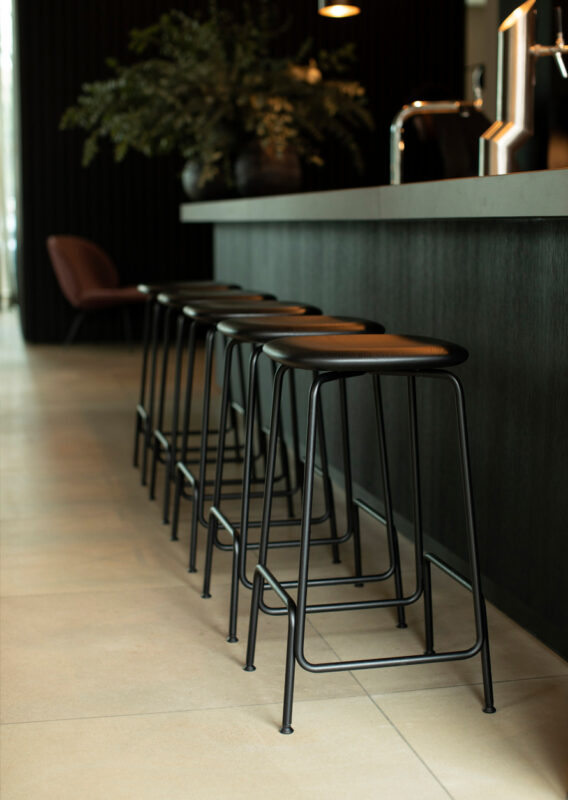
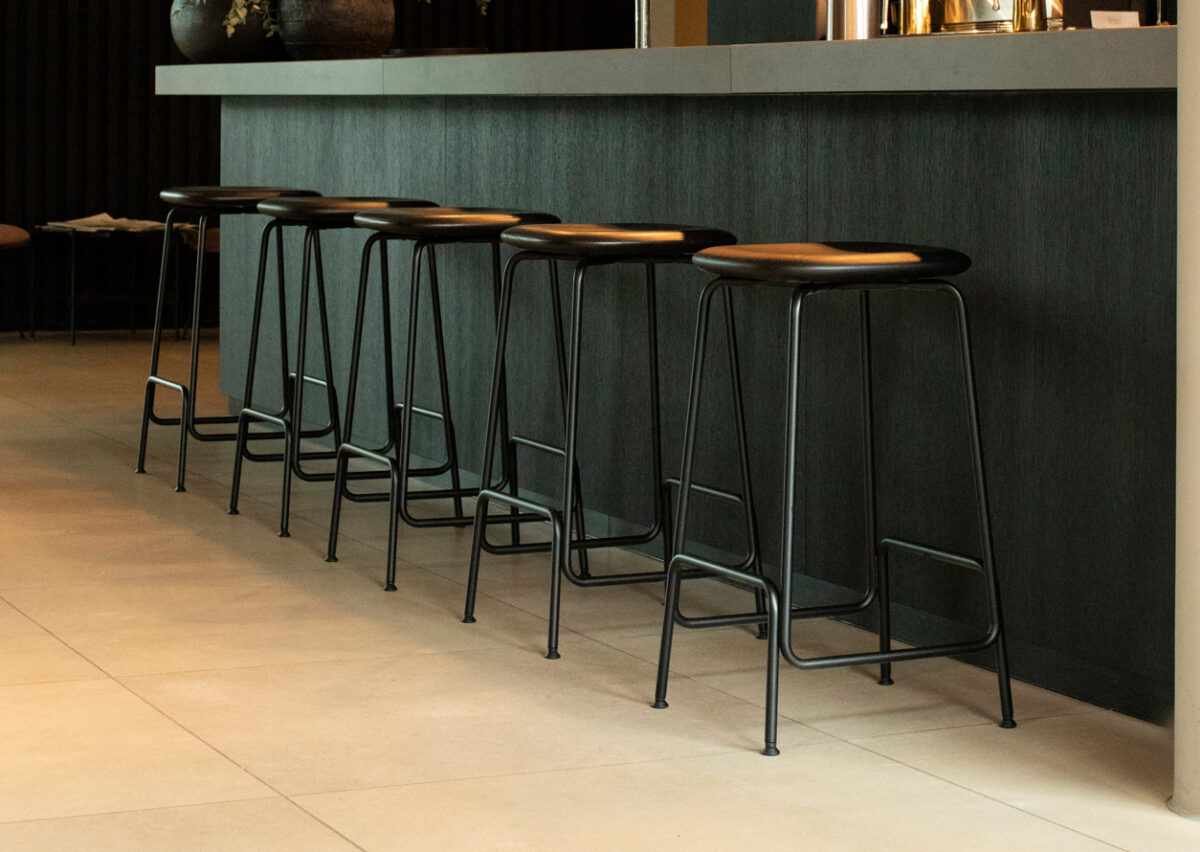
Equo barstools with black steel frames at a dark wood counter

Pictured: Equo Barstool

What is Mid-Century style?

Mid-Century Modern refers to the design of the postwar era, roughly from the mid-1940s to the late 1960s. New manufacturing techniques, such as molded plywood, were combined with traditional craftsmanship. The result was furniture and objects with clean lines, organic forms, and a lightness that still feels modern today. Typical features include slender, often tapered legs, visible wood grain, honest materials, and a clear function without frills.

What types of wood are typical of mid-century furniture?

At the heart of the style are dark woods with vibrant grain patterns: teak from Scandinavian furniture production, American walnut, and, above all, rosewood. They were usually oiled rather than varnished—this keeps the surface warm and tactile, and highlights the grain. A single piece of dark wood is often enough to give a room its signature character.

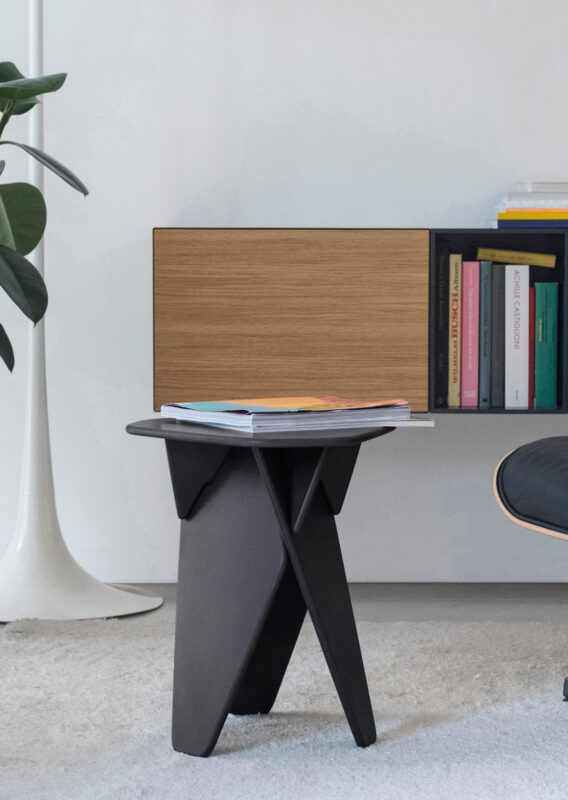
Black Wedge Table in front of a wooden sideboard with books

Pictured: Wedge Table, black

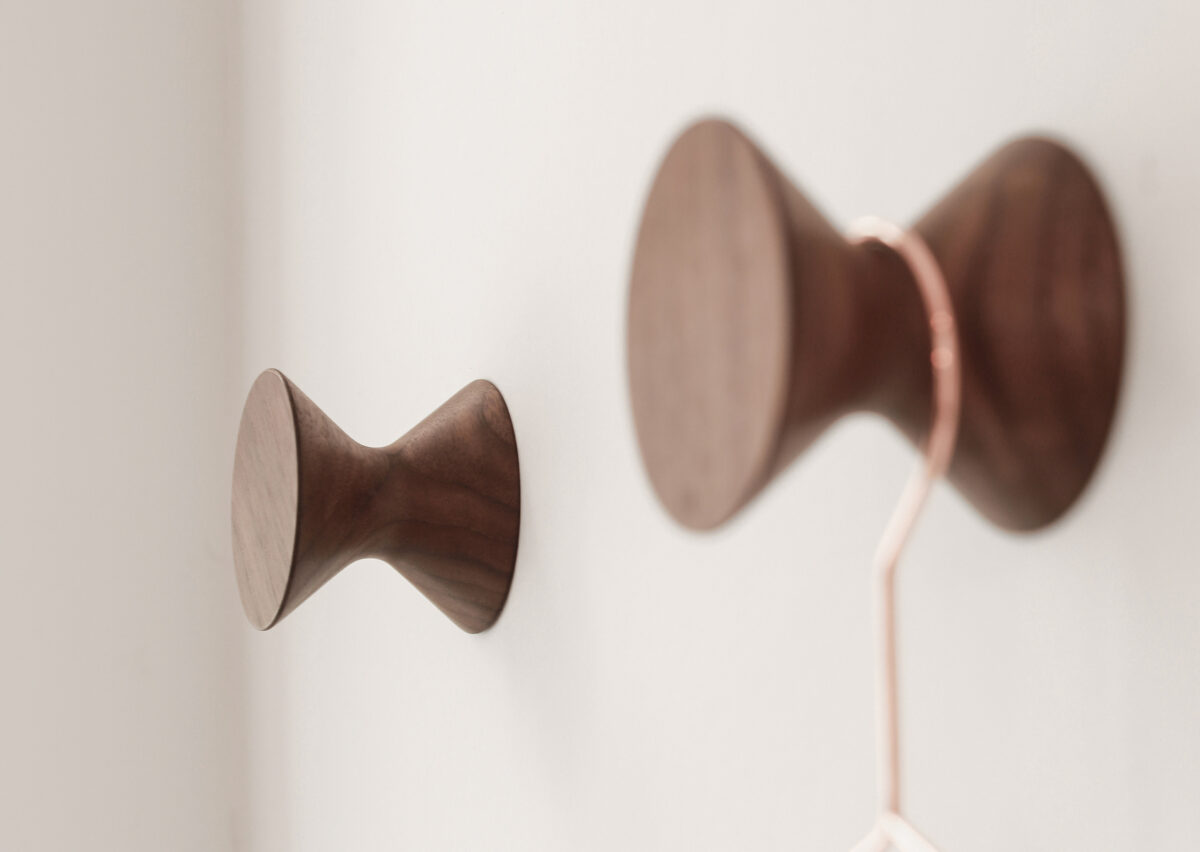
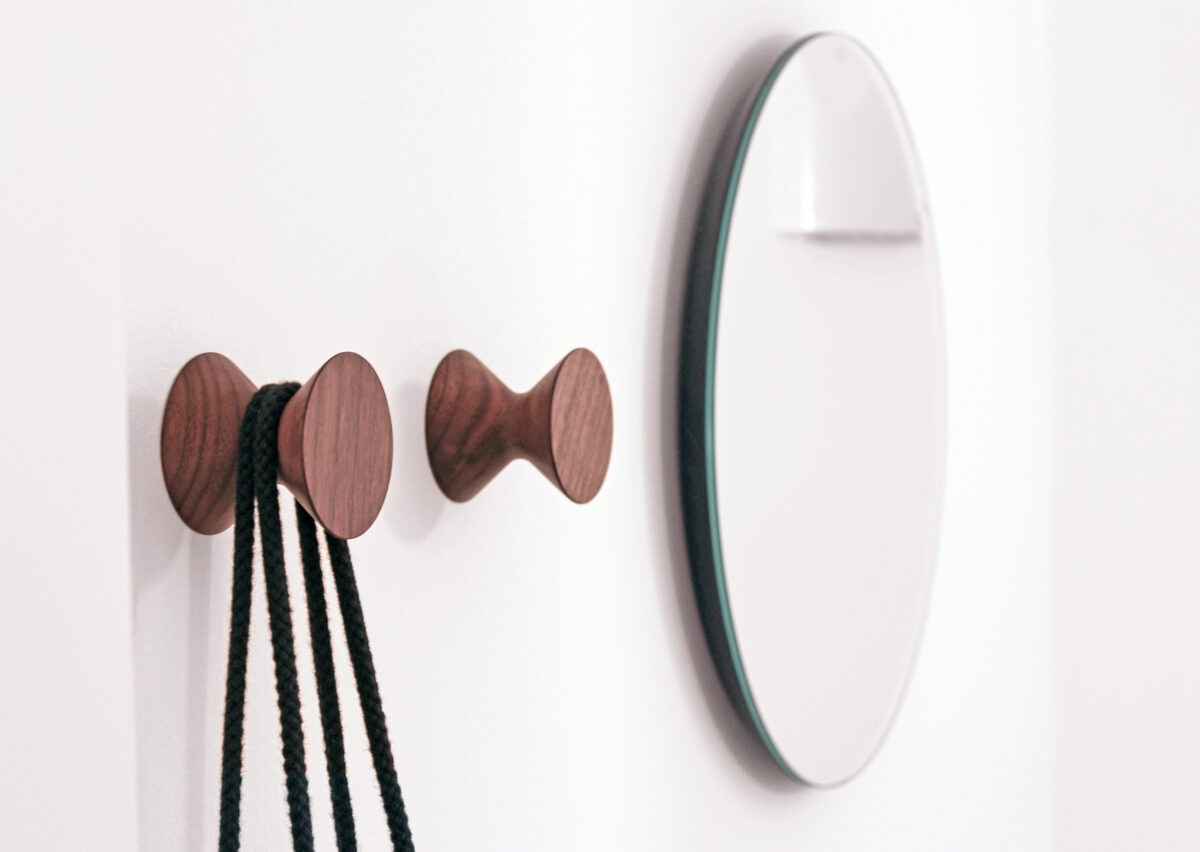
Two Spin walnut coat hooks on a light-colored wall, close-up

Pictured: Spin wall hook, walnut wood

Why is rosewood a problem today?

Rosewood was the luxury wood of that era. However, the most famous variety—Brazilian Rio rosewood—was so heavily harvested to meet the demand of the furniture and musical instrument industries that it has been subject to the highest level of protection under the Washington Convention on International Trade in Endangered Species (CITES) since 1992. Anyone wishing to sell items made of Rio rosewood in the EU today must obtain an official marketing certificate. Since 2017, all rosewood species have also been subject to CITES controls.

Even classic designs had to adapt: The Eames Lounge Chair from 1956 was veneered with Rio rosewood until the early 1990s; today, it is available in walnut and cherry, among other finishes. For that dark mid-century look, walnut is therefore the obvious choice today: deep brown, with a fine grain, and free of any endangered species concerns.

What role do brass and metal play?

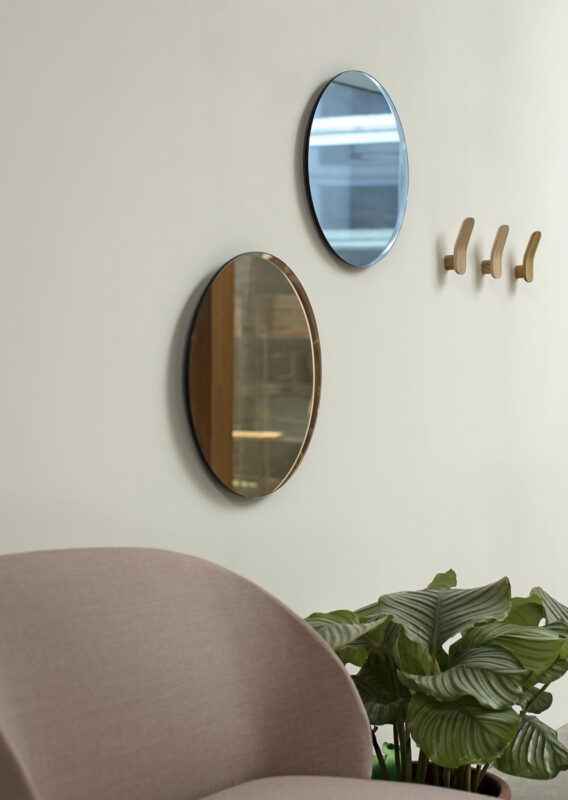
Metal adds accents to the mid-century style: hardware, lamp bases, handles, and frames made of brass or black steel. Brass brings warmth and luster to dark woods, while black metal creates graphic lines. Glass is also a key element, often tinted in bronze or smoky gray. The trick is in the balance: a few shiny details instead of lots of gold. Those who prefer a more subdued look will find a understated alternative in the bronze-tinted glass of the Cres Mirror.

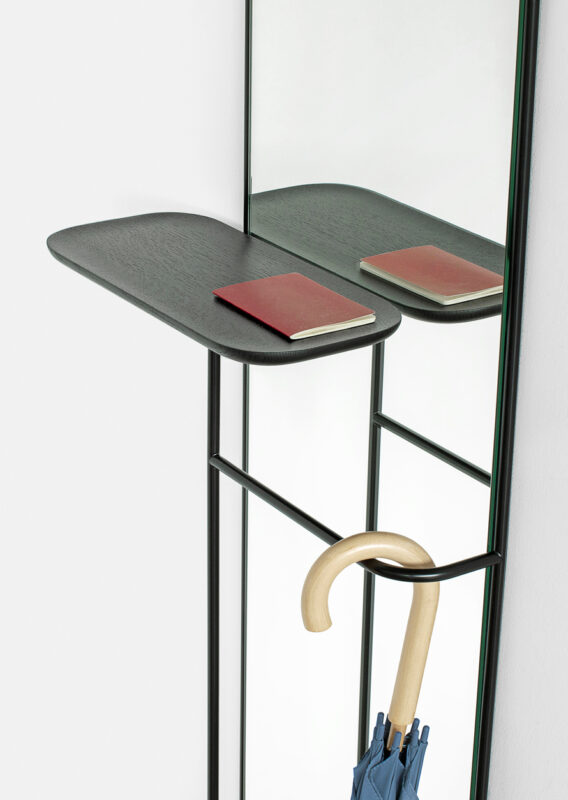
Detail of the Concierge Mirror tray with wallet and umbrellas hanging on the steel frame

Pictured: Concierge Mirror

Equo barstools at a dark wood counter

Pictured: Equo Barstool

Which designers shaped the style?

Charles and Ray Eames, Arne Jacobsen, Hans J. Wegner, Finn Juhl, George Nelson, Eero Saarinen, Isamu Noguchi, Kay Bojesen—and in Germany, Egon Eiermann.

Mid-Century Meets Contemporary Design: Here’s How to Combine Them

The following pieces are not mid-century designs, nor do they intend to be. They demonstrate how contemporary design can complement the woods, shapes, and colors of that era in the hallway.

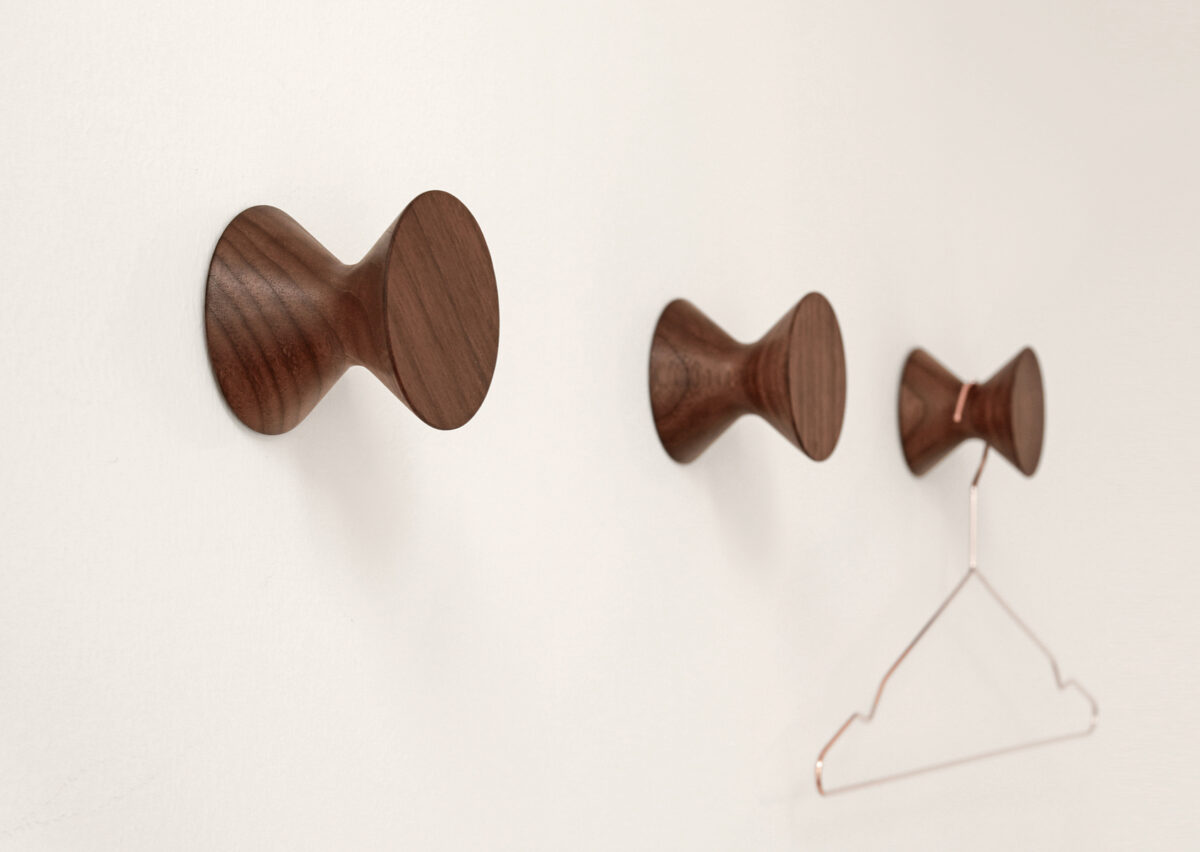
Three Spin wall hooks in walnut on a white wall, one holding a hanger

Pictured: Spin wall hook, walnut wood

Walnut spin wall hooks next to a round mirror, holding a black bag

Pictured: Spin wall hook, walnut wood

Dark wood on the wall

Spin is not a mid-century design. Yet its solid walnut construction, oiled finish, and turned form harmonize with the woods and lines of that style. The Spin coat hook in walnut by Andreas Kowalewski is turned from a single piece of solid wood at a long-established woodturning workshop in the Münsterland region—it can be placed individually next to a door or arranged in a row to form a coat rack.

View Spin Walnut

A Wooden Object with Character

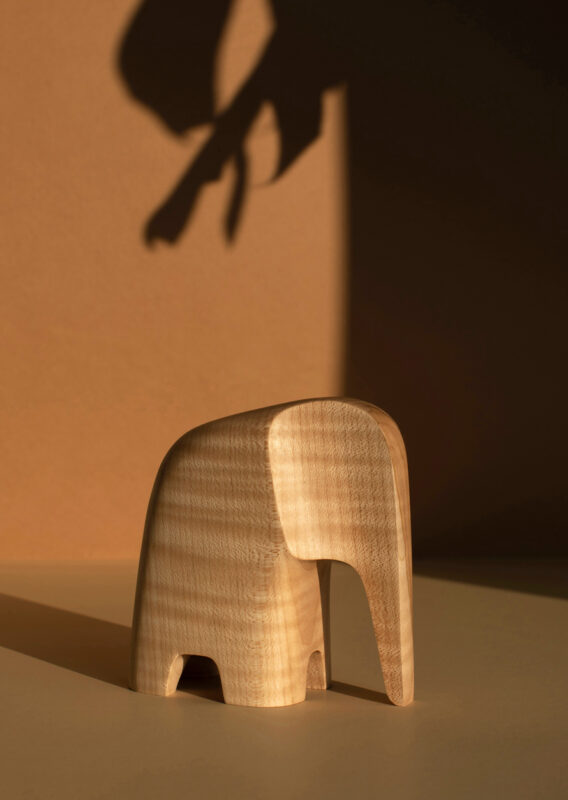
Wooden animals have been among the style’s favorite pieces since the 1950s. The “Olifant,” crafted from solid walnut by Andreas Kowalewski, is a contemporary design—alongside classics from the 1950s, it adds a distinctive, contemporary touch.

Wooden Olifant in warm light against a brown wall

Pictured: Olifant walnut wood, natural finish
Round Cres Mirror on a light-colored wall

Pictured: Cres Mirror, bronze (Ø 45 cm)

A Tinted Mirror

The round Cres Mirror by Design Studio NIRUK is available with bronze-tinted glass. Its tint complements the style’s warm color palette without directly echoing it.

How can I keep the hallway from looking too brown?

The most common mistake with the mid-century look: wood on top of wood on top of wood, until everything blends into a warm but indistinct surface. That’s why designers of that era always combined different types of wood to create contrast:

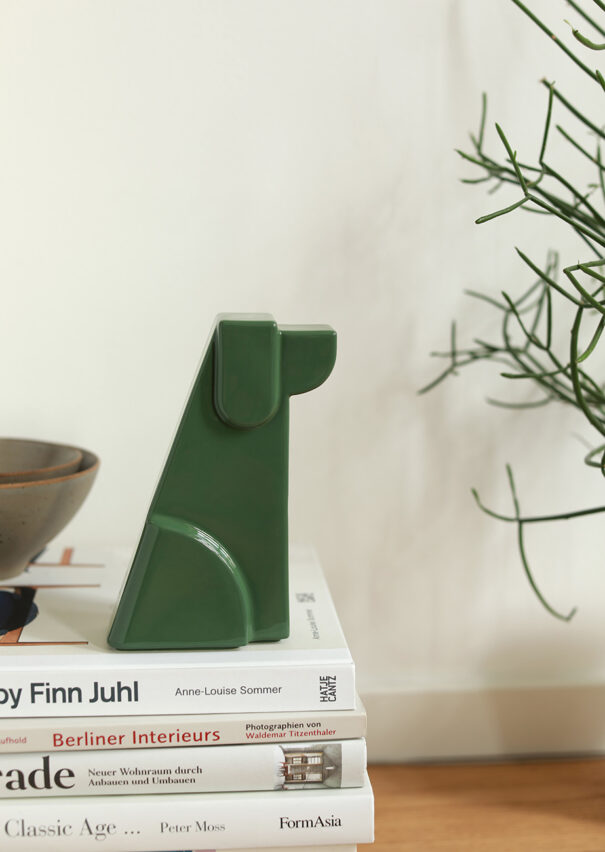
  • Color: Mustard yellow, orange, and olive green were the accent colors of the time. The Cat & Dog porcelain figurines in Curcuma Orange or Night Blue, or the Olifant in Forest Green, complement this with just such pops of color.
  • Light-colored surfaces: A white or light gray wall really lets dark wood shine.
  • Graphic lines: Black steel and glass counteract the warmth. The Concierge Mirror by Andreas Kowalewski combines a mirror, a black frame, and a shelf made of light oak—modern enough to provide a contrast to the walnut.
  • Mixing woods: A light accent in ash or oak next to walnut looks more lively than a uniform tone.
Dog porcelain figure in forest green next to a plant and a book on Finn Juhl

Pictured: Dog, forest green

Shop the look

Frequently Asked Questions

Yes. Along with teak and rosewood, walnut was one of the defining woods of that era—and today it’s the obvious choice for a dark look.
Not necessarily. However, Rio rosewood has been subject to the highest level of protection under the Washington Convention on International Trade in Endangered Species (CITES) since 1992; trade within the EU requires a marketing certificate. Since 2017, all rosewood species have been subject to CITES regulations.
Mustard yellow, orange, olive green, and teal as accent colors, paired with white or light gray to create a sense of calm.
Absolutely. Clean, timeless pieces look fresher when paired with dark wood than a purely vintage interior.

Other Interior Design Styles: Scandinavian · Japandi · Bauhaus · Colorful Interiors · An Overview of Interior Design Styles

JOIN OUR WORLD OF DESIGN

10% OFF

Receive design news, early access, and your welcome gift

This field is required.

Privacy guaranteed. Read our privacy policy