Journal · Style

Japandi: light wood, black, and a sense of calm

Last updated: November 9, 2026 · Reading time: about 5 minutes

Japandi has been one of the most sought-after interior design styles in recent years. The term is a combination of “Japan” and “Scandi”—and that’s exactly how the style can be described: as a blend of Japanese and Scandinavian interior design ideas. We’ll explain what makes it distinctive, how it differs from Scandinavian style, and how to make a Japandi room feel cozy rather than empty.

First off: caussa is not a style label, and none of our products are Japandi designs. Our designers create contemporary pieces. Here, we show how they can be incorporated into a Japandi interior.

Black Wedge Table on a wooden floor next to a white sofa

Pictured: Wedge Table in black
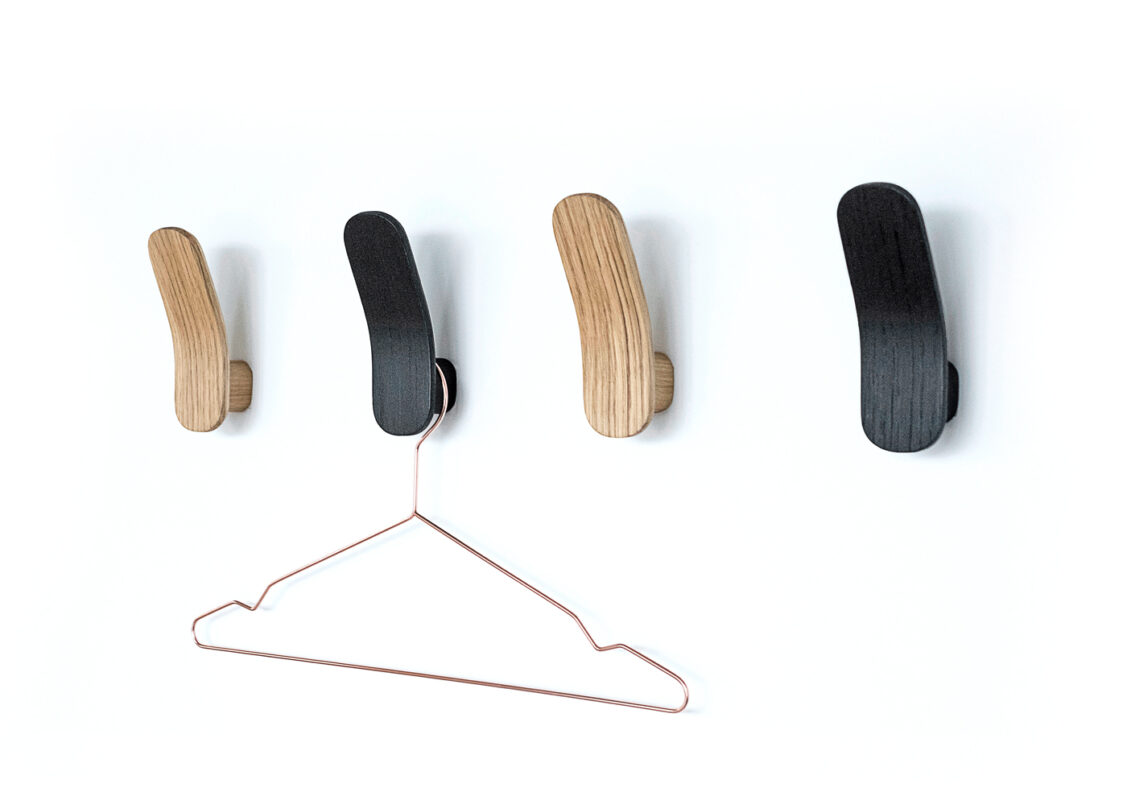
Eshaku Hooks in natural and black oak on a white wall

Pictured: Eshaku Hook in natural oak and black

What is Japandi?

Japandi combines two interior design styles that have a lot in common: an appreciation for craftsmanship and natural materials, simple forms, and the idea of living with just a few, well-chosen items. Scandinavia contributes light woods and a cozy atmosphere, while Japan brings understated elegance, clean lines, and darker contrasts.

What materials are typical of the Japandi style?

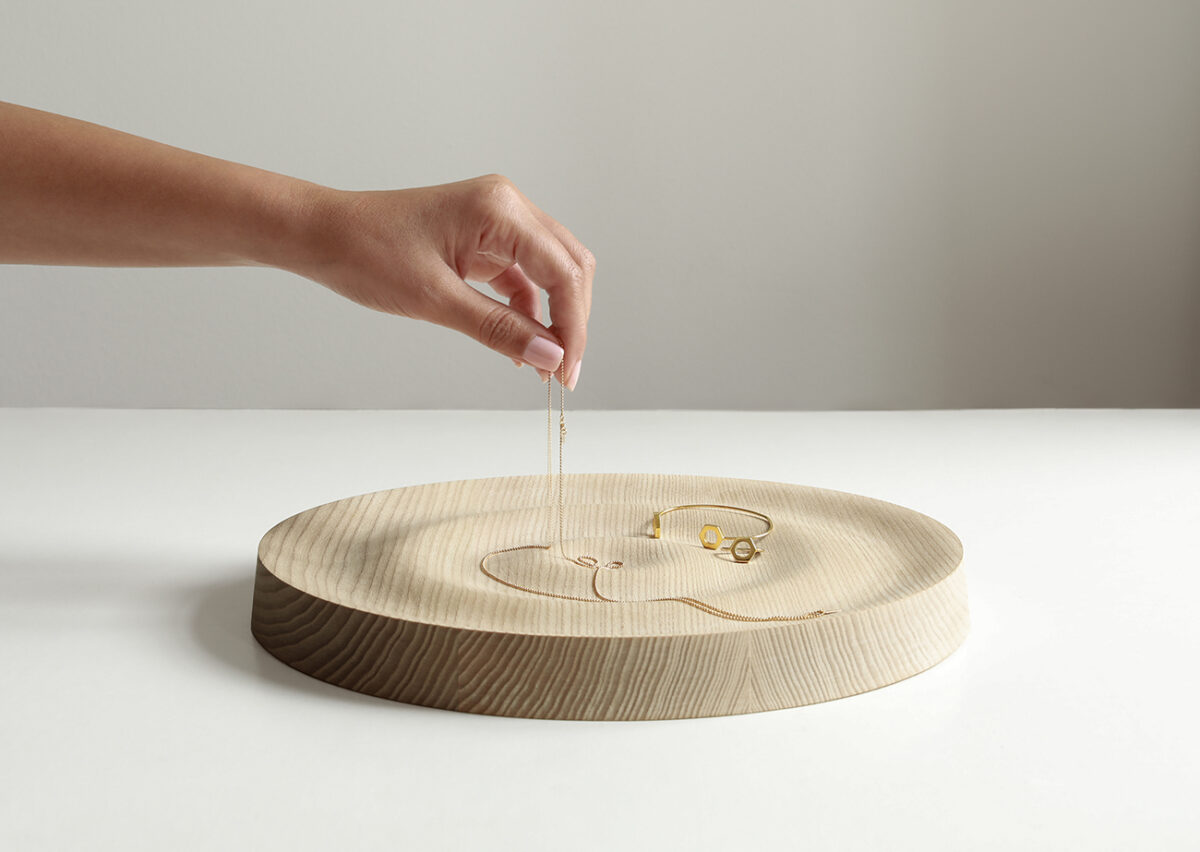
Typical materials include wood—light woods such as ash and oak, but also dark-stained or black wood—as well as ceramics and porcelain with a matte finish, paper, linen, and cotton. Surfaces tend to be left raw or oiled rather than glossy. The “Wave” bowl by Geckeler Michels, for example, showcases the grain of the ash wood in a wave-shaped milled surface.

Hand resting on the Wave bowl in ash

Pictured: Wave in natural ash

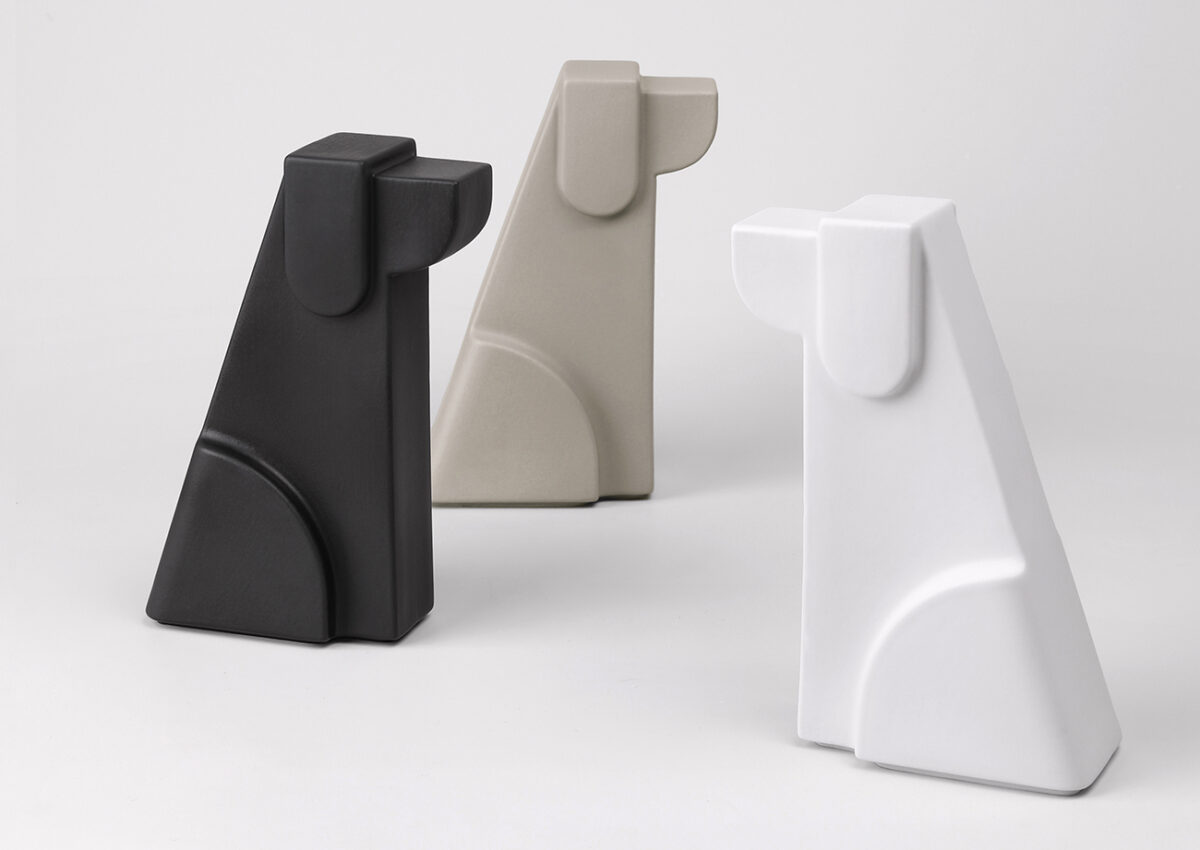
Dog porcelain figures in black, beige and white

Pictured: Dog in black, beige, and white

What colors go well with Japandi?

The color palette is muted: beige, sand, warm gray, sage green—and black for graphic contrast. Bold colors are rarely used. The Cat & Dog porcelain figurines in Nordic Beige or Jet Black can add such subtle accents.

What is the difference between Japandi and Scandinavian?

Both styles emphasize natural materials and minimalism. Scandinavian design usually feels brighter and cozier, with plenty of white and textiles. Japandi is often even more minimalist, featuring earthier tones and deliberately placed dark elements—such as black paired with light wood. Learn more about its lighter counterpart: Scandinavian interior design.

Black Solid Stool, detail

Pictured: Solid Stool One in black ash

Japandi Meets Contemporary Design: Here’s How to Combine Them

The following pieces are not Japandi designs, nor are they intended to be. They demonstrate how contemporary design can complement the natural materials, muted colors, and understated forms of Japandi.

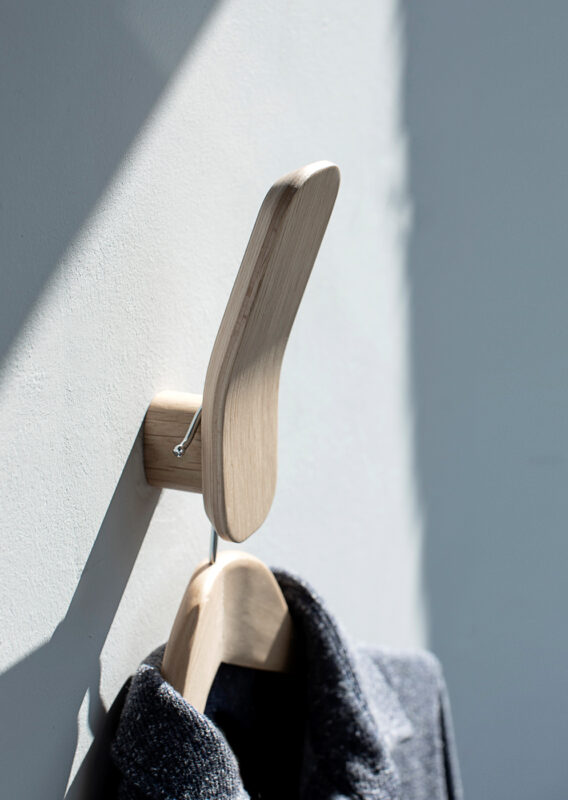
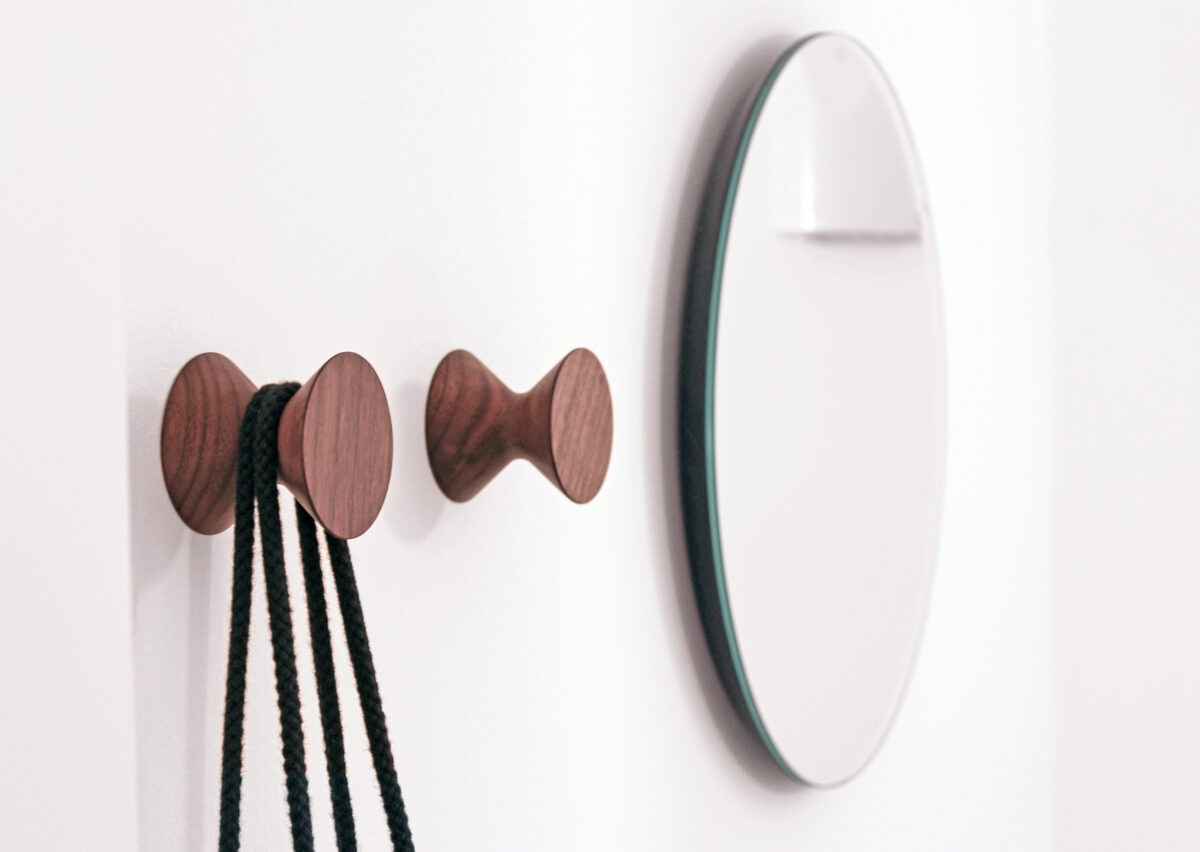
Eshaku Hook in oak holding a bag

Pictured: Eshaku Hook in natural oak

Hooks That Blend Into the Background

The Eshaku Hook by Robin Scholtysik is made of oak—available in natural or black. Its simple design complements a plain wall without drawing too much attention to itself.

View Eshaku

Light-colored wood, turned

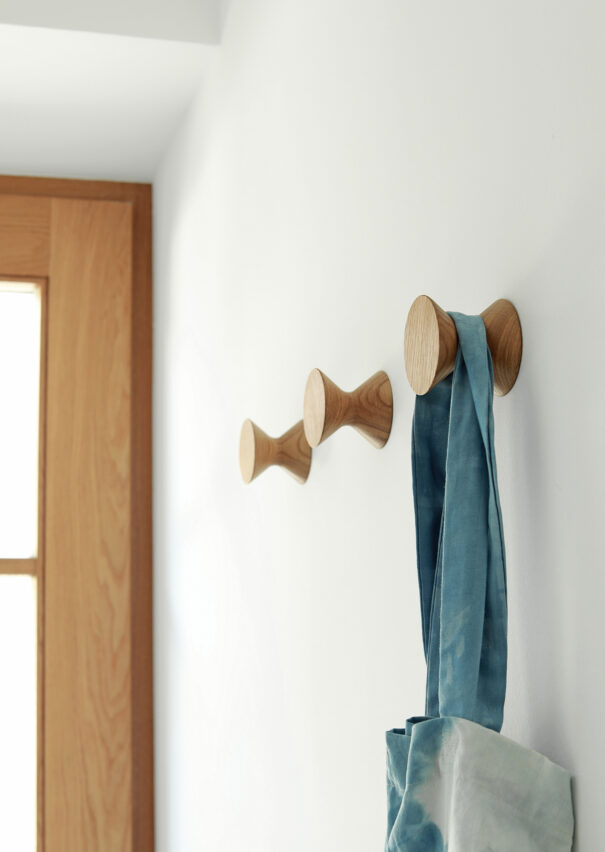
The “Spin” coat hook in ash by Andreas Kowalewski is light in color, features a distinct grain, and is turned from a single piece of solid wood at a woodturning workshop in the Münsterland region—a perfect complement to light-colored wood surfaces.

View Spin Ash
Spin wall hooks on a white wall next to a wooden door frame

Pictured: Spin Coat Hook

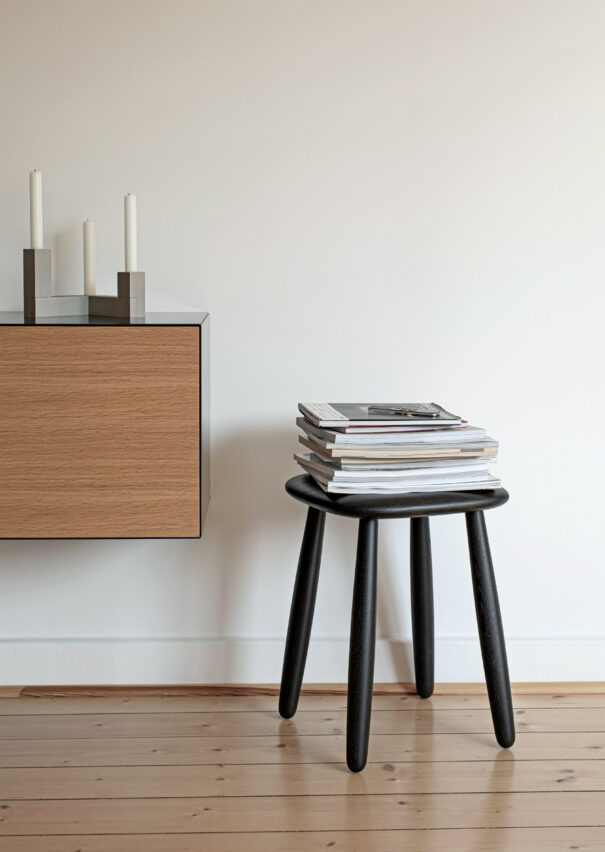
Black Solid Stool with magazines in front of a wooden sideboard

Pictured: Solid Stool One in black ash

A Stool in Black

The Solid Stool in black by Andreas Kowalewski is made of ash—it can be used as a seat or a shelf and provides a dark contrast to light-colored floors.

View the Solid Stool

How can you make Japandi feel cozy instead of empty?

Minimalism can quickly make a space feel unlived-in. These things help:

  • Plants and natural light: Greenery brings life to serene spaces.
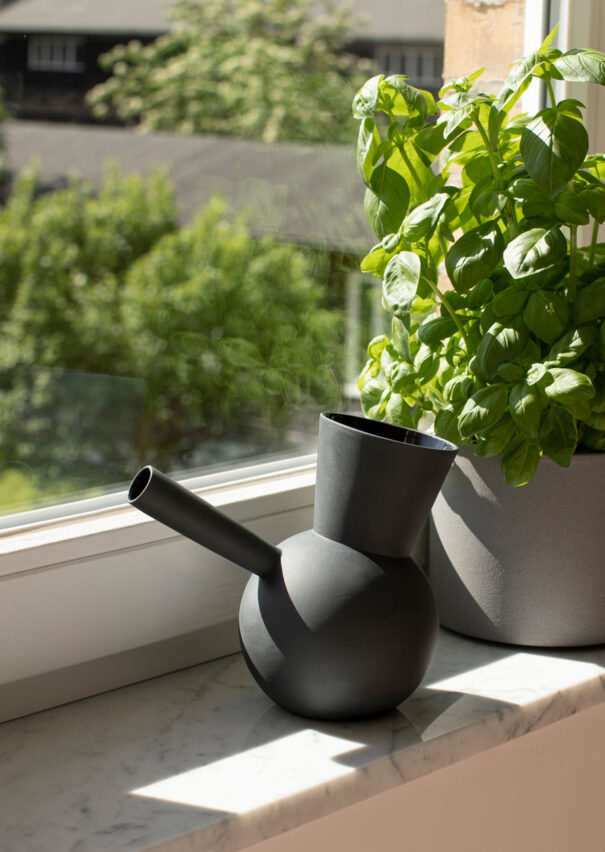
  • Textures: Linen, wood, and matte ceramics—such as the Hopper watering can in Dark Gray.
  • A few personal items: better to have one favorite piece than lots of small trinkets.
  • Warm light: indirect lighting instead of harsh overhead lighting.
Hopper watering can in dark grey next to plants by a window

Pictured: Hopper Watering Can in Dark Gray

Shop the look

Frequently Asked Questions

The term is a combination of “Japan” and “Scandi” and describes a blend of Japanese and Scandinavian interior design ideas.
Muted, earthy tones such as beige, sand, warm gray, and sage green, with black as a contrast.
Light-colored woods such as ash and oak, complemented by dark or black wood finishes.
Japandi is generally even more minimalist, earthy, and makes greater use of dark contrasts.

Other Interior Design Styles: Scandinavian Design · Wabi-Sabi · Minimalist Living · An Overview of Interior Design Styles

JOIN OUR WORLD OF DESIGN

10% OFF

Receive design news, early access, and your welcome gift

This field is required.

Privacy guaranteed. Read our privacy policy