Journal · Style

Wabi-Sabi: The Beauty of Imperfection

Last updated: November 9, 2026 · Reading time: about 5 minutes

Wabi-Sabi is not an interior design style in the strict sense, but rather a Japanese concept of beauty. It values simplicity, imperfection, and transience. In interior design, this translates to natural materials, visible traces of craftsmanship, and objects that grow more beautiful with time.

First off: caussa is not a design label, and none of our products are designed as wabi-sabi objects. Our designers create contemporary objects. Here, we show how they can be combined with the concept of wabi-sabi.
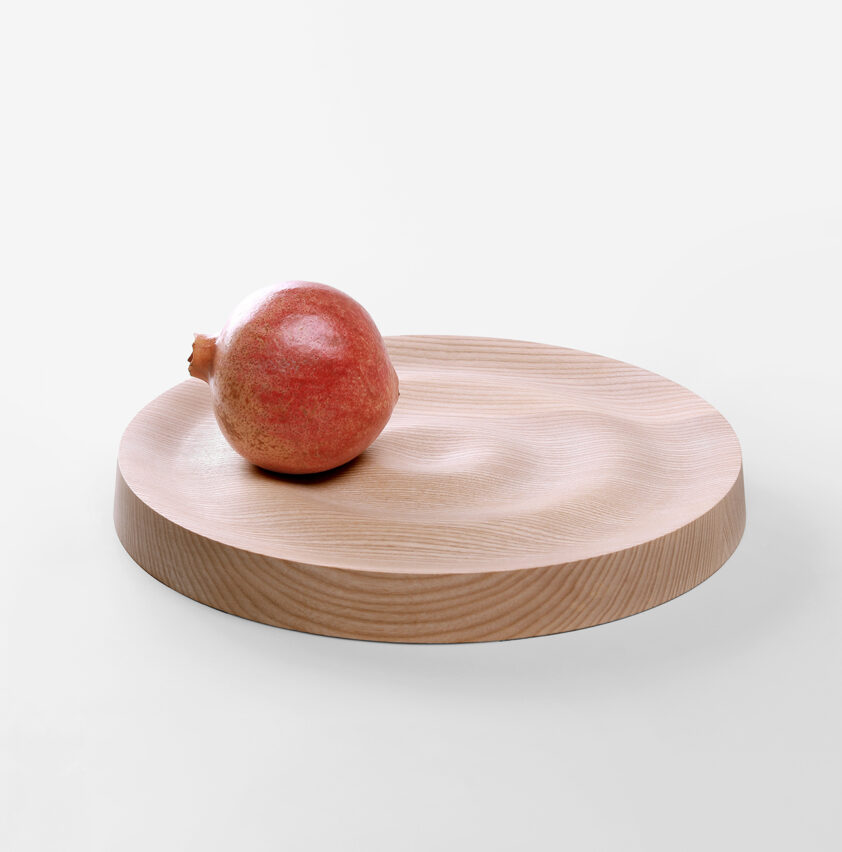
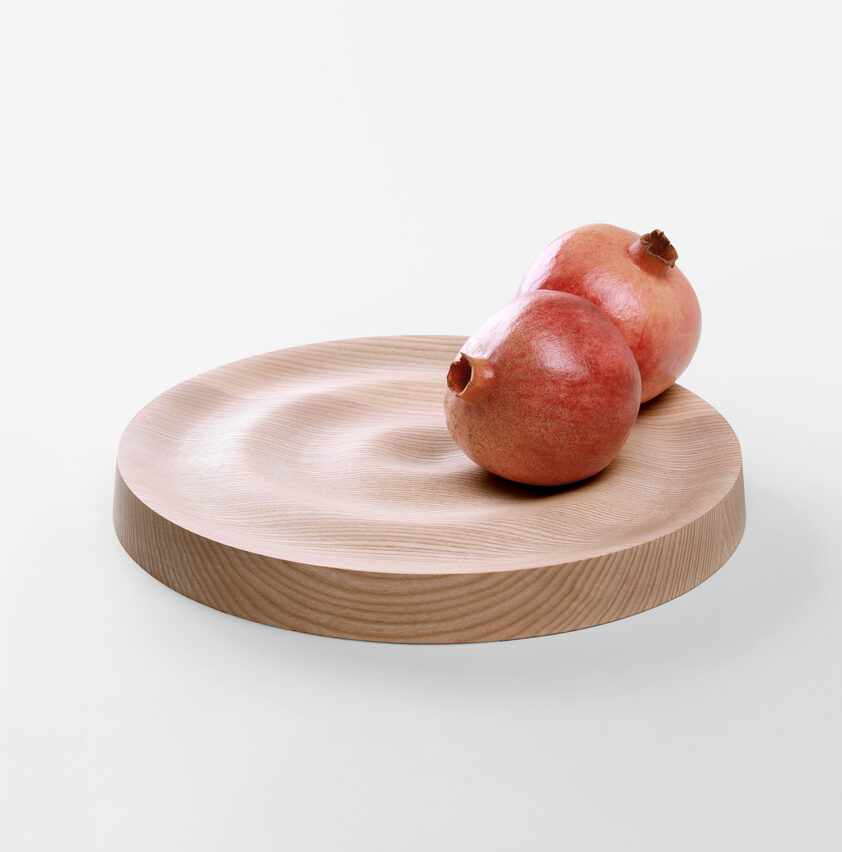
Wave bowl in ash with a pomegranate

Pictured: Wave in natural ash

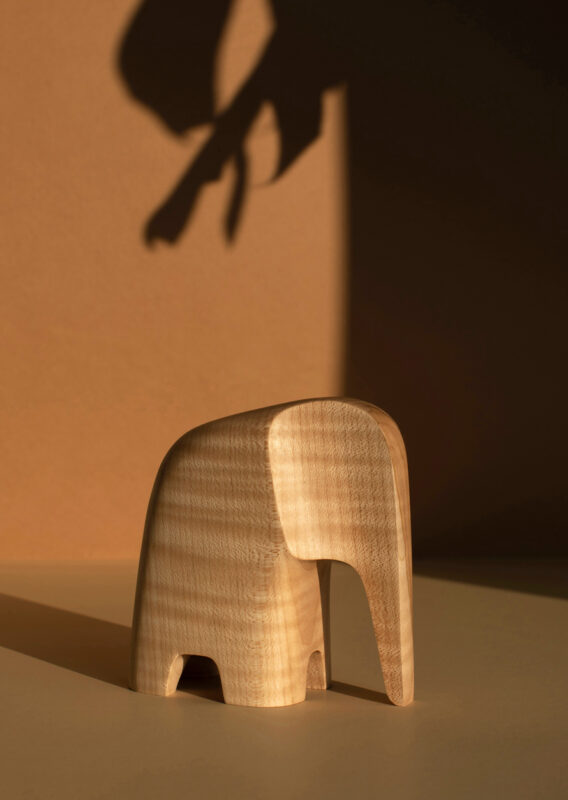
Wooden Olifant in warm light against a brown wall

Pictured: Wooden elephant

What does wabi-sabi mean?

Wabi-sabi describes a traditional Japanese aesthetic that embraces transience and imperfection. “Wabi” is often translated as simple, understated beauty, while “sabi” refers to patina—that is, the traces left by the passage of time. The concept has its roots in Zen Buddhism and has shaped, among other things, the Japanese tea ceremony.

How can wabi-sabi be applied to interior design?

Instead of perfect, uniform surfaces, materials with character are what matter: wood with a lively grain, ceramics and porcelain with a matte glaze, linen, and stone. Objects are allowed to look well-used. What’s important isn’t so much a specific look as the attitude behind it: having just a few things that you enjoy using and keep for a long time.

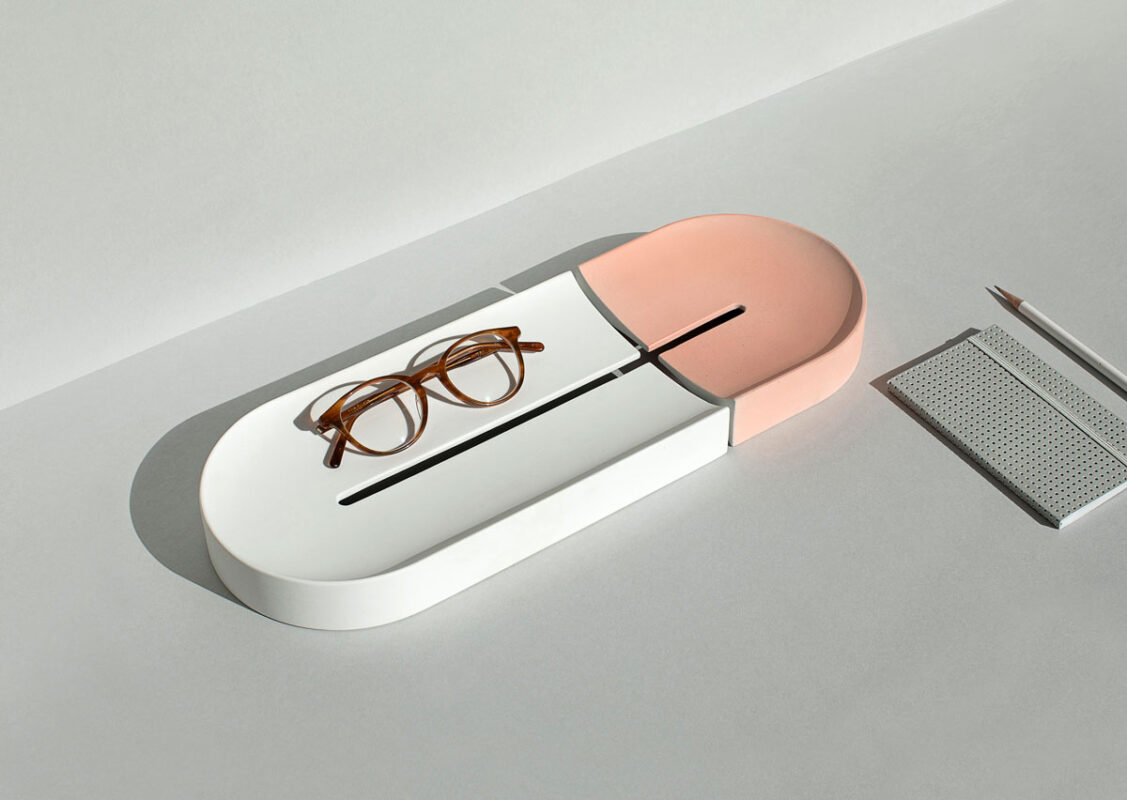
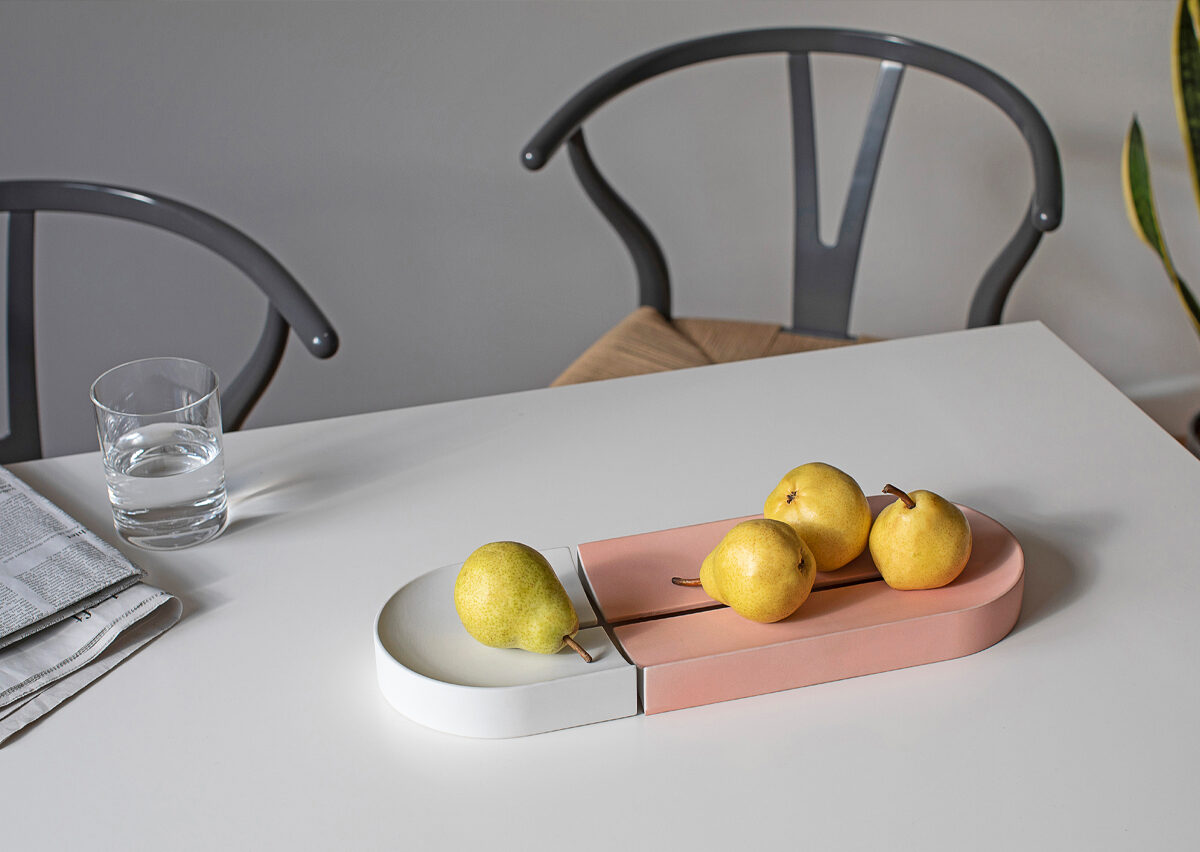
Porcelain Arc Tray with glasses

Pictured: Arc Tray in white and rosé

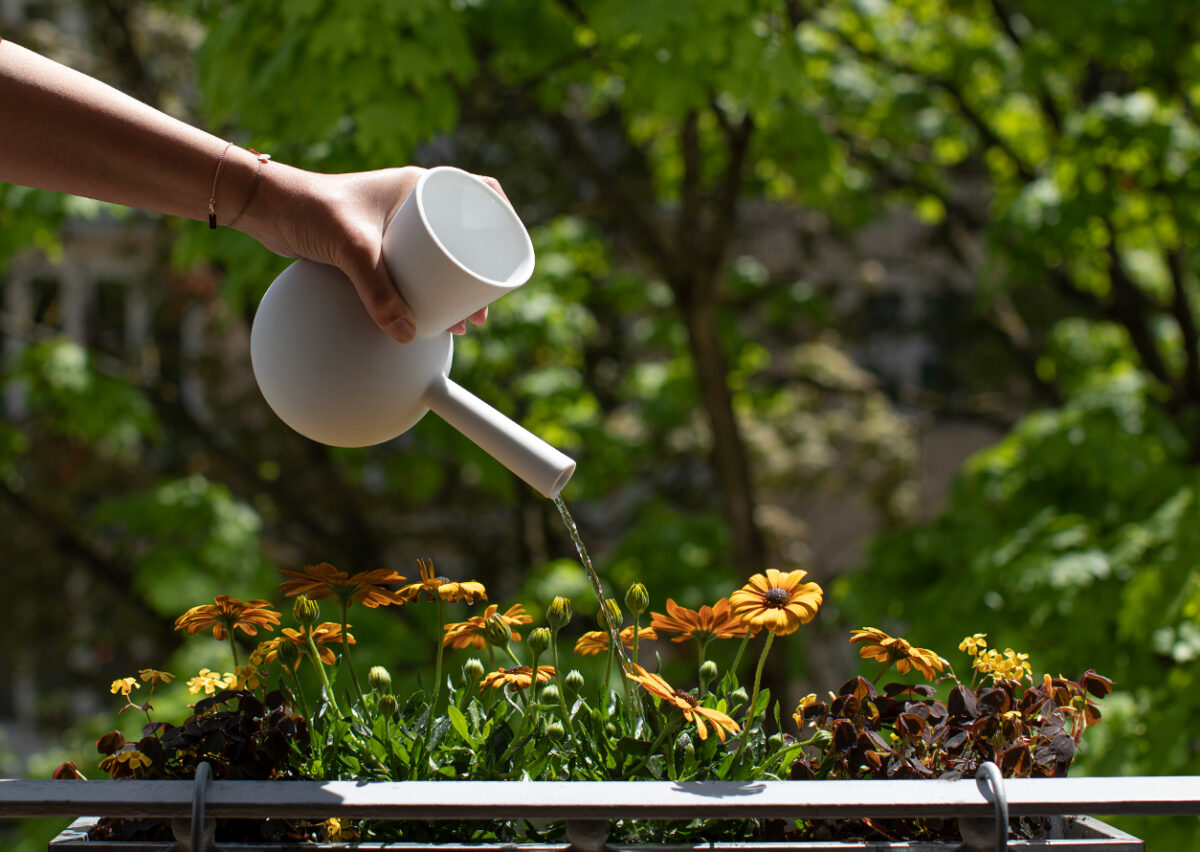
Hopper watering can watering plants

Pictured: Hopper Watering Can in white

What colors go well with wabi-sabi?

Natural tones: earth tones and sandy hues, warm gray, muted green, off-white, and the natural color of wood. The Hopper watering can in Light Gray blends seamlessly into this palette with its matte finish.

What is Kintsugi?

Kintsugi is the Japanese technique of repairing broken ceramics with lacquer and gold—the break is not hidden, but rather emphasized. It is often seen as an expression of wabi-sabi: the traces of an object’s history are part of its beauty.

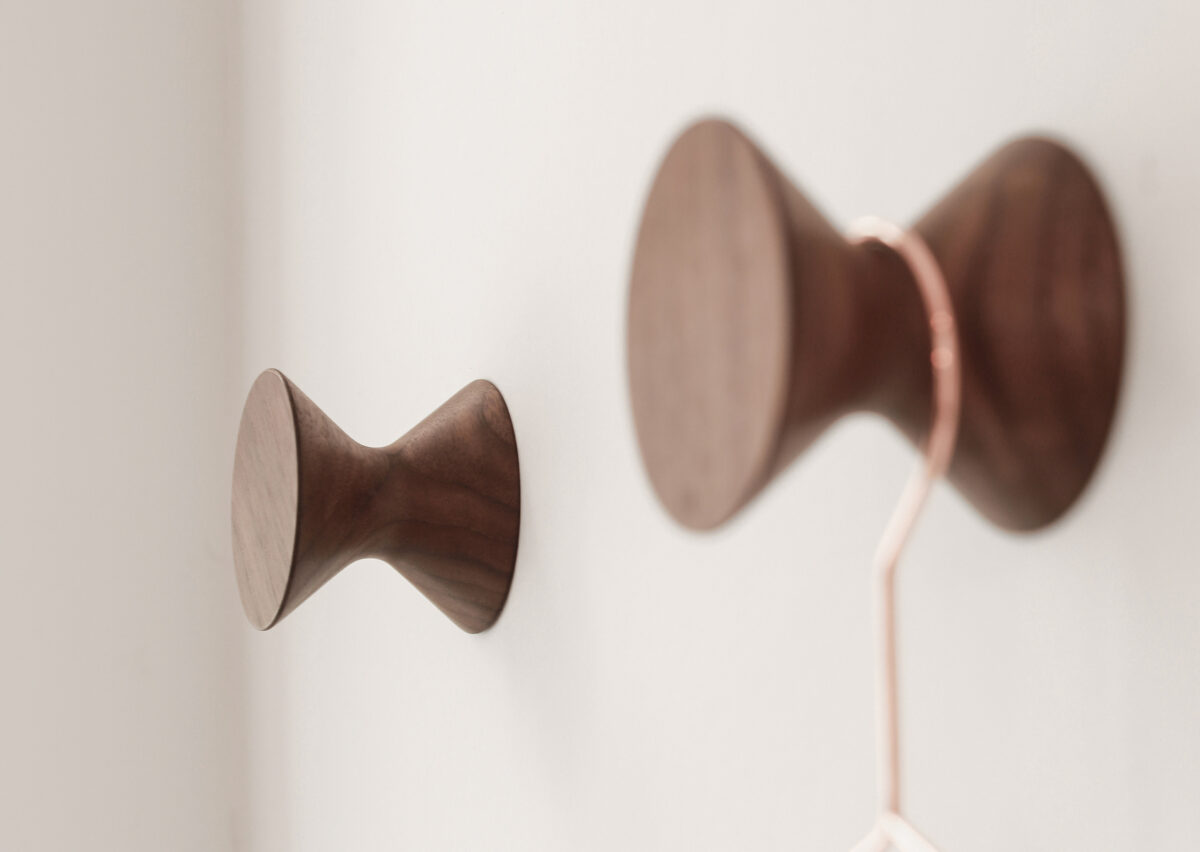
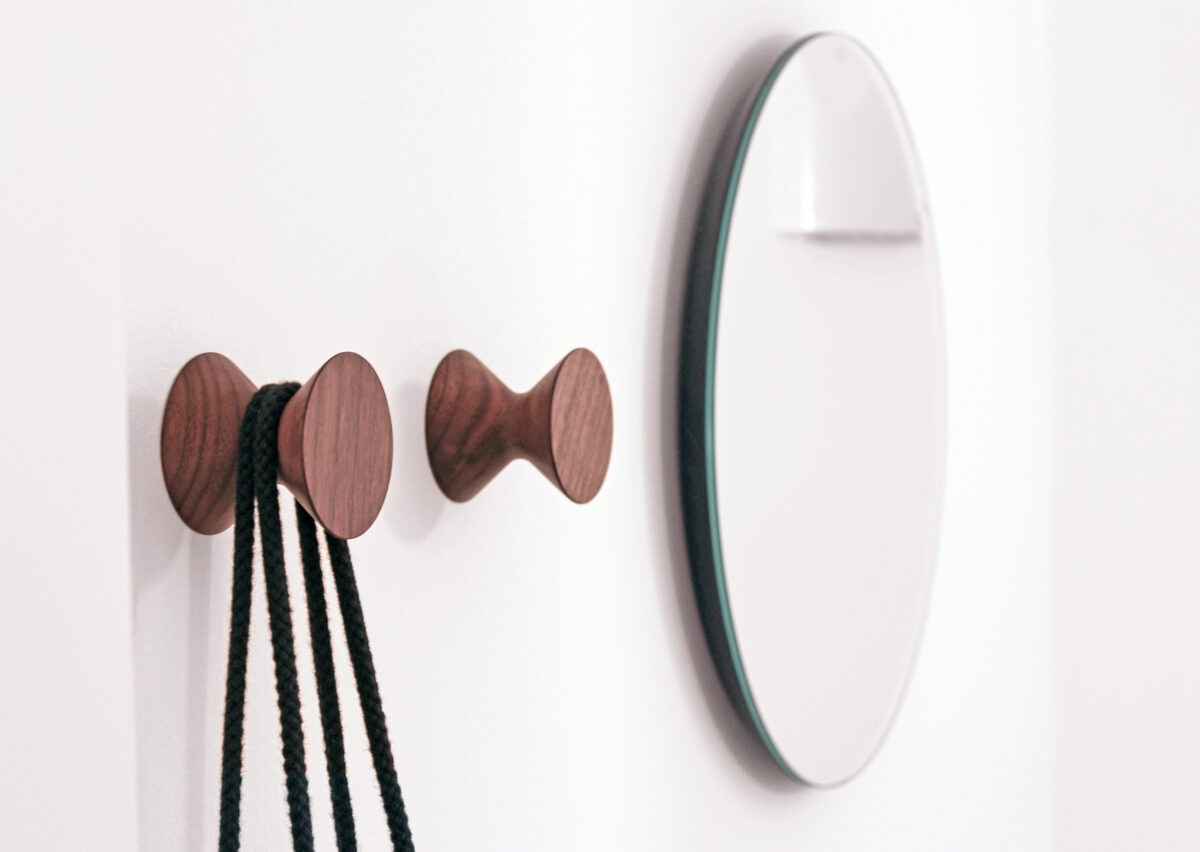
Two Spin walnut coat hooks on a light-colored wall, close-up

Pictured: Spin in walnut

Wabi-Sabi Meets Contemporary Design: Here’s How to Combine Them

The following pieces are not wabi-sabi objects, nor do they intend to be. They demonstrate how contemporary design, through craftsmanship, natural materials, and a unique character, can complement this concept.

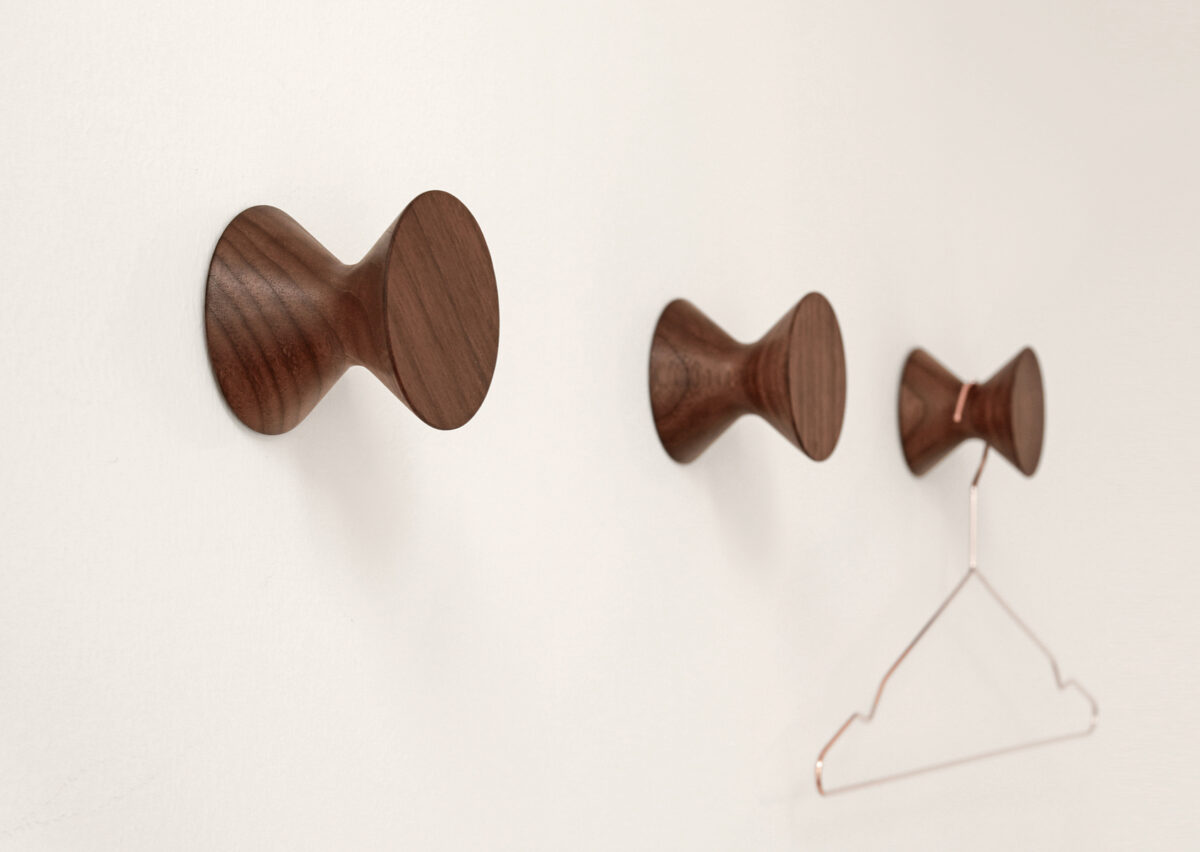
Three Spin wall hooks in walnut on a white wall, one holding a hanger

Pictured: Spin in walnut

Each piece is one-of-a-kind

The “Spin” coat hook by Andreas Kowalewski is turned from a single piece of solid wood at a woodturning workshop in the Münsterland region and finished with natural oil. Because every piece of wood has a different grain, no two hooks are alike—whether made of oak, ash, or walnut.

View Spin

A Bowl with a Wooden Relief

The Wave bowl by Geckeler Michels is made of ash. Its wave-shaped milled surface highlights the wood’s grain.

View Wave
Wave bowl in ash with a pomegranate on wood

Pictured: Wave in natural ash

Arc Tray with lemons on a table

Pictured: Arc Tray in white and rosé

Porcelain in Curves

The Arc Tray by De Intuitiefabriek is a porcelain tray featuring gentle curves—available in rose and white or gray and white.

View Arc Tray

How does wabi-sabi avoid looking messy?

Imperfection doesn’t mean clutter. These tips help:

  • Few objects, spaced apart from one another.
  • A calm color palette of natural tones.
  • Authentic rather than artificially aged: natural materials instead of a “used” look.
  • Pieces that are allowed to show signs of wear —such as a solid-wood olifant.
Olifant in walnut next to orange flowers

Pictured: Elephant carved from walnut

Shop the look

Frequently Asked Questions

A traditional Japanese aesthetic that values simplicity, imperfection, and transience.
With natural materials, matte finishes, earthy tones, and just a few items you love to use.
Wabi-sabi is a concept of beauty; Japandi is an interior design style that is influenced by it, among other things.
Earth tones and sandy hues, warm gray, muted green, and off-white.

Other Interior Design Styles: Japandi · Scandinavian Design · An Overview of Interior Design Styles

JOIN OUR WORLD OF DESIGN

10% OFF

Receive design news, early access, and your welcome gift

This field is required.

Privacy guaranteed. Read our privacy policy